



29 Sep TOP 20 WRITING PLATFORM MARKETING STATISTICS 2025
As I’ve been exploring the evolving landscape of content marketing, I’ve realized just how important writing platforms have become for both brands and individual creators. That’s why I wanted to share some of the most eye-opening writing platform marketing statistics I’ve come across recently. These insights not only show the scale of growth but also reveal the strategies businesses and writers are using to stand out in a crowded digital space. I’ve teamed up with a leading marketing agency in New York to put this list together, making sure it highlights what’s most relevant for marketers, entrepreneurs, and anyone who relies on digital writing platforms to connect with their audience.
Top 20 Writing Platform Marketing Statistics 2025 (Editor’s Choice)
📊 Writing Platform Marketing Statistics 2025
Key insights shaping the future of content creation and marketing
| # | Category | Statistic |
|---|---|---|
| 1 |
Industry Growth Market Value Projection |
The global content writing industry is predicted to reach $485 billion in value by 2026, with a 12% compound annual growth rate from 2022 onward |
| 2 |
Industry Growth Content Marketing Revenue |
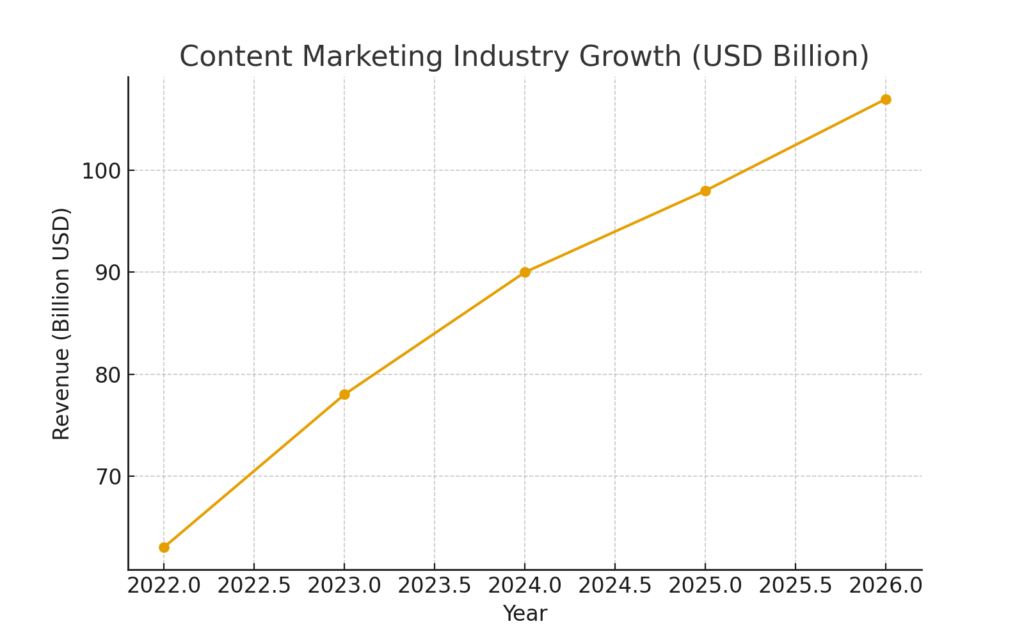
The content marketing sector will generate more than $107 billion in revenue by 2026 |
| 3 |
Industry Growth Services Market Growth |
The global Content Writing Services market is expected to grow at a 5.50% CAGR from 2023 to 2030 |
| 4 |
AI Technology AI Content Market |
The AI-powered content market will likely exceed $250 billion by 2026 |
| 5 |
AI Technology AI Usage by Marketers |
54% of content marketers use AI to generate ideas, but just 6% use it to write entire articles |
| 6 |
AI Technology AI Adoption Growth |
90% of content marketers plan to use AI in 2025, up from 83.2% in 2024 and 64.7% in 2023 |
| 7 |
AI Technology Writers Using AI Tools |
One in two writers (50%) use AI tools to boost the performance of their content |
| 8 |
AI Technology Preferred AI Tool |
ChatGPT leads with a 77.9% selection rate, more than 50% ahead of the next most popular AI tool |
| 9 |
Content Format Blog Post Length |
The average blog post length is 1,400 words, more than 77% longer than a decade ago |
| 10 |
Content Format Most Popular Format |
Short-form video is the most leveraged media format by marketers in 2025 |
| 11 |
Content Format Content Format Ranking |
Blog posts (19.47%) rank fourth after short-form video (29.18%), images (28.95%), and interviews (21.64%) |
| 12 |
Content Format Video Marketing Adoption |
91% of businesses use video as a marketing tool in 2023 |
| 13 |
Performance Blogging Importance |
90% of marketers say blogging is crucial, and 77% say it generates more leads |
| 14 |
Performance Blog Lead Generation |
Firms with active blogs generate 67% more leads per month than those without |
| 15 |
Performance Content Marketing ROI |
Content marketing returns an average of $5.20 for every $1 spent |
| 16 |
Performance Budget Increases |
46% of B2B marketers plan to increase content marketing budgets due to 3x better lead generation |
| 17 |
Workforce Outsourcing Trend |
75% of large companies outsource content writers |
| 18 |
Workforce Team Expansion |
About 50% of companies grew their content teams in 2025 |
| 19 |
Workforce In-House Writer Costs |
In-house writers cost $78,000+ annually per individual, and $400,000+ for a team of five |
| 20 |
Challenges Top Marketing Challenge |
13% of marketing leaders report content strategy as their top challenge |
Top 20 Writing Platform Marketing Statistics 2025
Writing Platform Marketing Statistics #1: Content Marketing Industry to Exceed $107 Billion by 2026
The writing and content marketing industry continues to grow at an impressive pace, projected to surpass $107 billion by 2026. This surge reflects how businesses now consider high-quality written content a cornerstone of digital engagement. Writing platforms make it easier for companies to publish, share, and manage content at scale. Brands investing in writing tools position themselves competitively in SEO and audience building. This shows that content-focused platforms will remain essential in the global marketing ecosystem.
Writing Platform Marketing Statistics #2: 75% of Large Companies Outsource Writers
Three-quarters of large companies now outsource content creation to professional writers. This approach allows them to maintain high-quality output without overburdening internal teams. Writing platforms are often the bridge connecting these companies with skilled freelancers. The outsourcing trend shows that demand for scalable, platform-enabled writing continues to grow. Businesses see it as both cost-effective and strategically vital.
Writing Platform Marketing Statistics #3: 73% of B2B and 70% of B2C Marketers Use Content Marketing
A majority of both B2B and B2C marketers incorporate content marketing into their overall strategies. Writing platforms serve as the backbone for managing blog posts, guides, and case studies in these efforts. By using these platforms, marketers streamline planning and publishing. This widespread adoption reflects how written content remains central to customer engagement. It also demonstrates that writing tools are indispensable across industries.
Writing Platform Marketing Statistics #4: Companies With Blogs Generate 67% More Leads
Maintaining a blog can significantly boost lead generation, with companies seeing 67% more leads per month than those without one. Writing platforms help simplify blog management, ensuring consistency and optimization. This highlights the direct business impact of regularly published written content. Blogs not only attract readers but also nurture trust over time. The data shows the measurable ROI of investing in content creation.
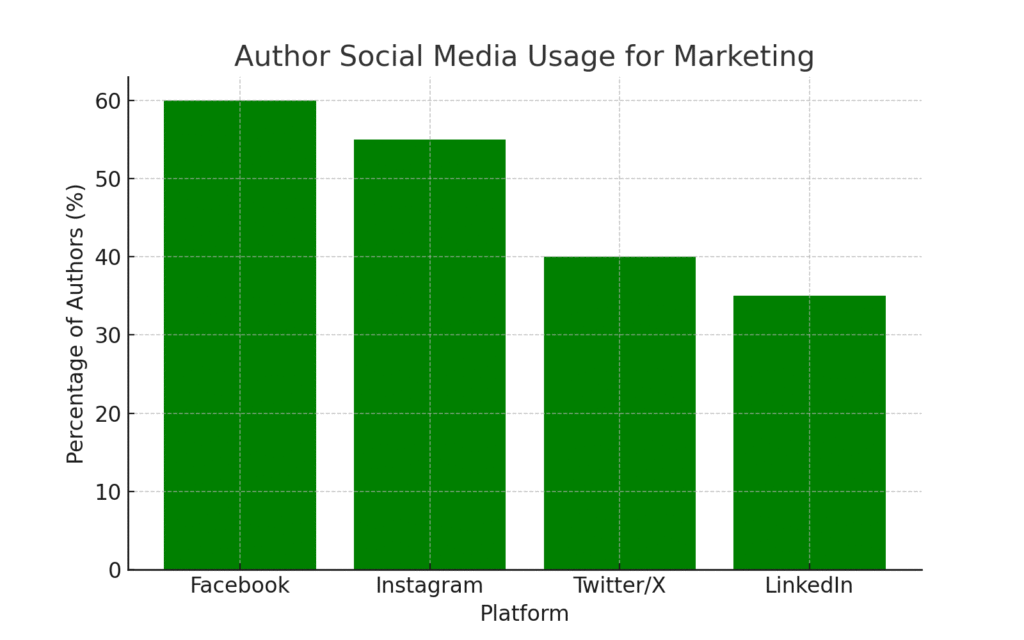
Writing Platform Marketing Statistics #5: 80% of Marketers Use AI, 43% for Content Creation
AI has become a mainstream tool in marketing, with 80% of marketers adopting it and nearly half using it for content creation. Writing platforms are increasingly integrating AI features to support this demand. These tools enhance productivity, from drafting copy to optimizing articles for search engines. By embedding AI into their workflows, marketers save time while improving quality. This reflects the merging of creativity and technology in writing.
Writing Platform Marketing Statistics #6: 86% of Marketers Say AI Saves Them an Hour a Day
Marketers who rely on AI report saving at least one hour daily, according to recent findings. Writing platforms with AI integrations make this efficiency possible. This time savings translates into more focus on strategy and creativity. By automating mundane tasks, AI frees writers to produce impactful content. The statistic highlights why AI-driven writing tools are gaining popularity.
Writing Platform Marketing Statistics #7: 62% Use AI for Ideas, 44% for Drafts
AI isn’t just about automation—it’s actively shaping the creative process. Sixty-two percent of marketers use AI for brainstorming, while 44% rely on it to generate drafts. Writing platforms now offer these AI functions to make the writing journey smoother. This democratizes creativity by helping even small teams scale content production. It’s clear that writing platforms are becoming hybrid creative and technical hubs.
Writing Platform Marketing Statistics #8: 80% of Small Business Owners Write Their Own Content
Many small businesses can’t afford to outsource, so nearly 80% write their own content. Writing platforms make this manageable by offering templates, scheduling, and analytics. These tools empower owners to maintain an online presence despite limited resources. This statistic highlights how platforms level the playing field for smaller players. It proves that access to digital writing tools is crucial for survival.
Writing Platform Marketing Statistics #9: Non-AI Users Spend 2–3 Hours on Articles
Marketers not using AI often spend 2–3 hours crafting a single long-form article. Writing platforms reduce this time burden with built-in formatting and research aids. For businesses producing multiple articles per week, these hours add up quickly. The statistic shows how technology adoption creates a competitive advantage. Time saved translates into more resources for other marketing priorities.
Writing Platform Marketing Statistics #10: Average Blog Post Has 1,427 Words
The typical blog post is now over 1,400 words, indicating the demand for in-depth content. Writing platforms support this trend by offering editing and readability tools. Long-form content performs better in SEO and builds authority with audiences. However, crafting such pieces requires structured workflows. Platforms help writers manage length while maintaining quality.
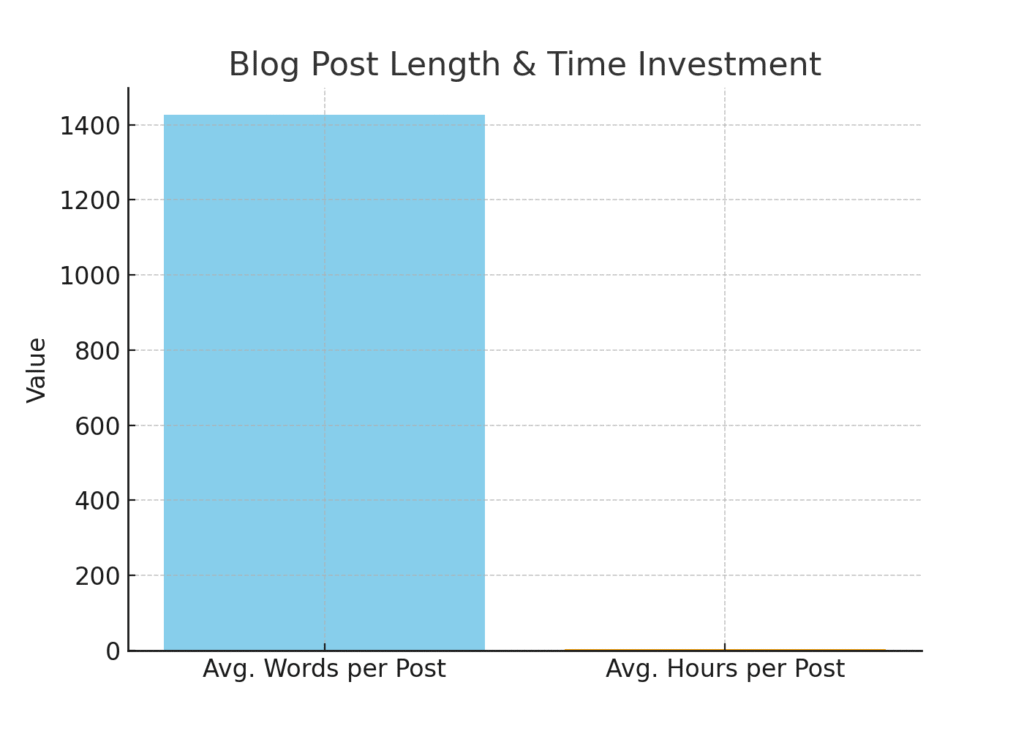
Writing Platform Marketing Statistics #11: Blog Posts Take 3 Hours 51 Minutes to Write
On average, writers spend just under four hours creating a blog post. Writing platforms help streamline the process with features like autosave and collaboration. This statistic demonstrates the investment required for quality content. Time-intensive writing underscores why efficiency tools matter. Platforms help writers meet deadlines without sacrificing depth.
Writing Platform Marketing Statistics #12: Blogging 2–6 Times Weekly Increases Clicks by 50%
Posting frequency makes a big difference, with 2–6 blogs per week driving 50% more clicks. Writing platforms allow teams to schedule content in advance to meet this cadence. Consistency signals reliability to readers and search engines alike. The data shows that volume combined with quality fuels visibility. Platforms are essential in helping brands maintain this rhythm.
Writing Platform Marketing Statistics #13: Visual Media Boosts Clicks by 94%
Articles with images, videos, or charts get nearly double the clicks of text-only content. Writing platforms integrate multimedia upload options to support this trend. Visuals break up long texts, making content more engaging. This reflects the shift toward hybrid written and visual storytelling. The statistic shows how platforms are evolving beyond pure text management.
Writing Platform Marketing Statistics #14: 90% of Businesses Use Content in Marketing
Almost every business now uses content marketing, making writing platforms universally relevant. These tools allow organizations to centralize and optimize campaigns. The near-total adoption proves content is no longer optional—it’s expected. Platforms that enable easier writing provide a competitive edge. This widespread usage cements their role in digital strategies.
Writing Platform Marketing Statistics #15: 89% of Marketers Use Generative AI
Nearly nine out of ten marketers already use generative AI in content production. Writing platforms are embedding these technologies to stay competitive. AI supports drafting, grammar checking, and optimization. Marketers trust these tools to improve both speed and creativity. This statistic shows AI is becoming inseparable from modern writing workflows.
Writing Platform Marketing Statistics #16: 78% of Authors Use Social Media for Marketing
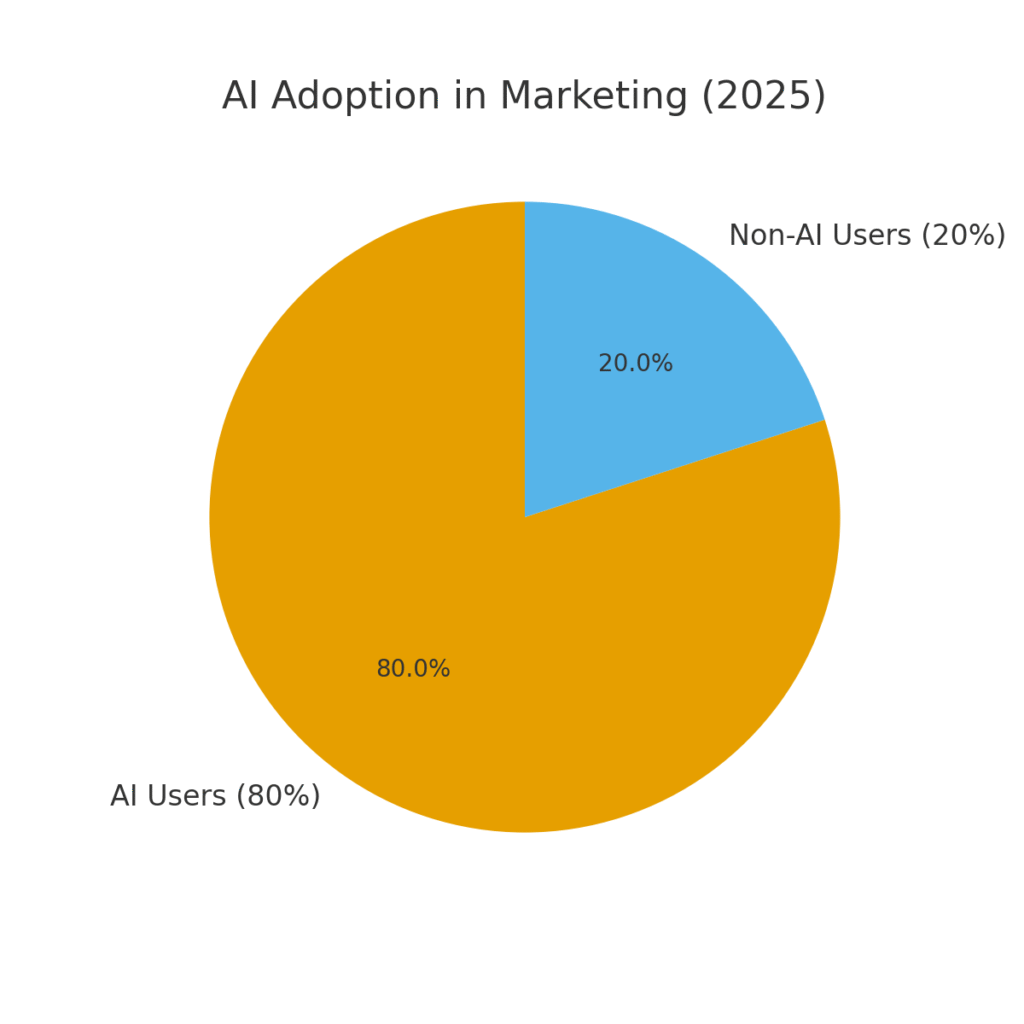
A large majority of authors use at least one social media platform weekly to market their writing. Writing platforms often provide social media integrations to support cross-channel promotion. This statistic shows how distribution is just as important as creation. Authors recognize that visibility requires consistent online engagement. Platforms help bridge the gap between writing and sharing.
Writing Platform Marketing Statistics #17: Facebook and Instagram Lead Author Usage
Among authors, Facebook and Instagram remain the most popular platforms for outreach. Writing platforms are adapting by adding direct publishing integrations. These channels help authors build personal brands alongside their writing. The statistic shows the importance of visual-first networks in marketing. Platforms that connect writing with social media give authors an advantage.
Writing Platform Marketing Statistics #18: Medium Reaches 100 Million Monthly Visitors
Medium continues to be one of the most visited writing platforms, with over 100 million monthly users. This scale makes it a major distribution hub for content creators. Writers benefit from Medium’s built-in audience and monetization options. The statistic highlights the enduring relevance of community-driven platforms. For marketers, it represents an opportunity to reach highly engaged readers.
Writing Platform Marketing Statistics #19: 47% of Medium Posts May Be AI-Generated
A recent analysis suggested that nearly half of new Medium posts could be AI-written. This reflects the rapid adoption of generative AI across writing platforms. While it raises quality control questions, it also signals efficiency gains. The statistic shows how AI is transforming the very foundation of digital publishing. Platforms are adapting by adding detection and moderation features.
Writing Platform Marketing Statistics #20: Wattpad Hosts 665 Million Stories for 90 Million Users
Wattpad remains one of the most prolific writing platforms, with 90 million monthly users and 665 million uploaded stories. The platform thrives as a storytelling hub for young writers and readers. These numbers show the massive appetite for user-generated written content. Wattpad’s success proves that community and engagement drive platform growth. It highlights the value of accessible tools for creative expression.
Why These Writing Platform Insights Matter
Looking back over these writing platform marketing statistics, I feel even more convinced that digital storytelling is at the heart of modern marketing. For me, it’s not just about the numbers—it’s about understanding how people consume stories, share ideas, and build trust online. These statistics remind me that whether you’re an independent writer or a global brand, success comes from pairing creativity with data-driven insights. Personally, I find it exciting to see how writing platforms are shaping the future of communication, and I hope you’ve found the same inspiration here.
SOURCES
- https://databox.com/blogging-statistics
- https://www.hubspot.com/marketing-statistics
- https://www.typeface.ai/blog/content-marketing-statistics
- https://research.aimultiple.com/content-writing-statistics
- https://www.demandsage.com/business-blogging-statistics
- https://bloggingwizard.com/content-marketing-statistics-trends
- https://www.optimizely.com/insights/blog/marketing-statistics
- https://www.semrush.com/blog/content-marketing-statistics
- https://www.semrush.com/blog/blogging-stats
- https://www.mediavalet.com/blog/digital-marketing-statistics
- https://www.semrush.com/blog/digital-marketing-statistics
- https://www.semrush.com/blog/b2b-marketing-statistics
- https://www.semrush.com/blog/what-is-content-marketing
- https://www.semrush.com/blog/content-marketing-examples