



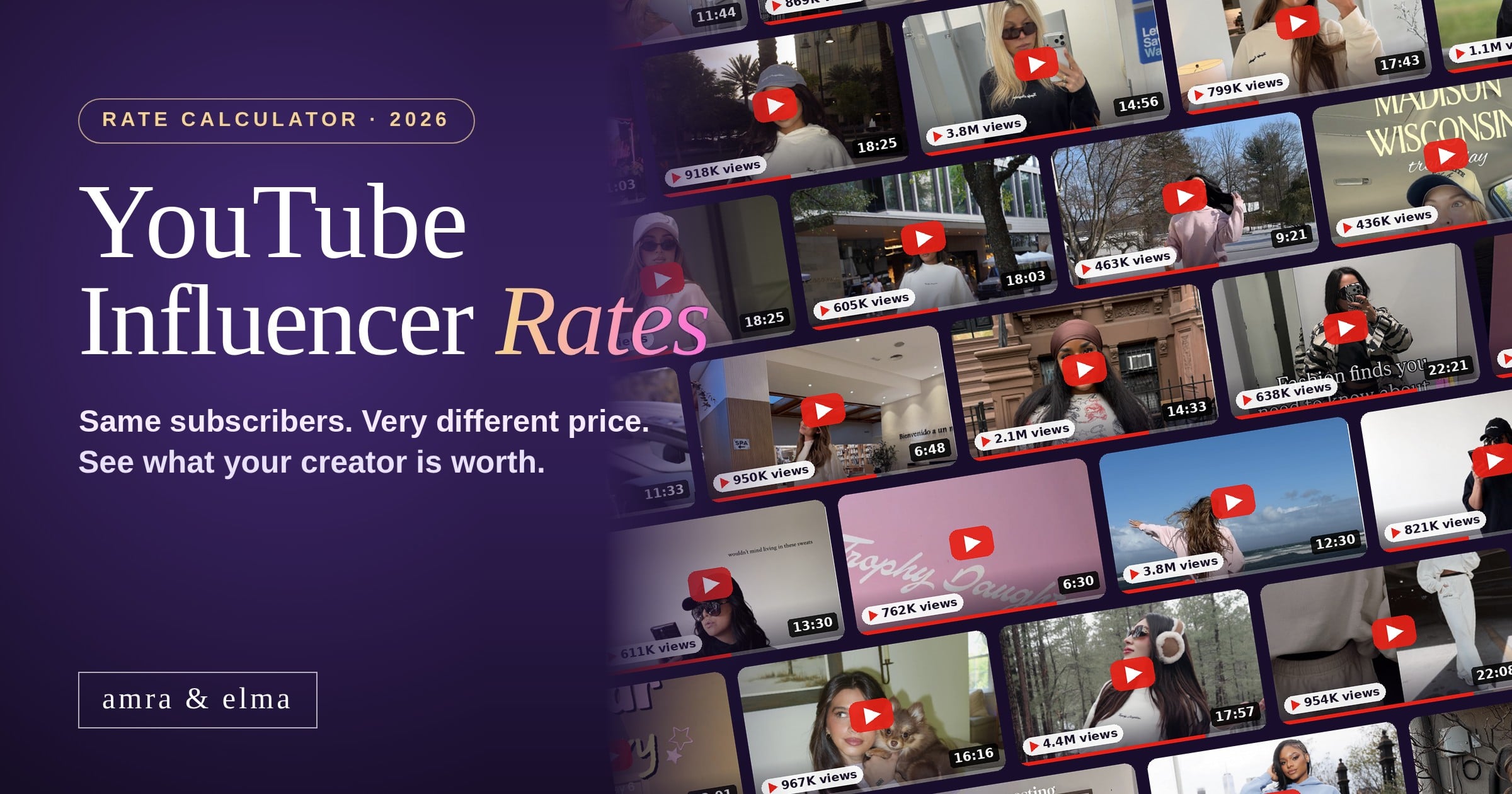
02 Nov YouTube Influencer Rate Calculator: What Creators Really Charge (2026)
How much do YouTube influencers charge?
Use the Amra & Elma YouTube influencer rate calculator below to estimate any creator's fee in seconds.
Amra & Elma YouTube Influencer Rate Calculator
Subscribers open the door. Views set the price.
We have been inside this industry since before "influencer" was a job title. In more than 13 years, our team has reviewed and negotiated with thousands upon thousands of creators, and YouTube is where we see brands make their most expensive mistakes. A channel with half a million subscribers can be worth less than one half its size, and the reason never shows up on the channel page.
Same subscribers. 3× the price.
What you can't see on the channel is what you pay for
brand
creator
Fewer subscribers. More money. Reputation sets the price.
Brands are buying a name, not a number
Same channel size. Completely different standing.
We built this YouTube influencer rate calculator on that experience. It does not just count subscribers. It weighs what brands actually pay for: proof that people still watch, the names that already trust the creator, and how much of a brand she has become in her own right.
What YouTube Influencers Really Charge: The Honest Answer
YouTube is the most expensive platform in influencer marketing, and for good reason. An Instagram post can be shot in an afternoon. A YouTube video is a production: a script, a shoot, an edit, a thumbnail and a title built to be found. Brands are not buying a moment in a feed. They are buying a piece of a show that people chose to sit down and watch.
That is why a dedicated YouTube video is priced well above an Instagram post from a creator of the same size. The audience gives it minutes, not seconds, and the creator gives it days.
Here is the first secret most agencies won't tell you: there are three very different things you can buy on YouTube, and creators price them very differently. A dedicated video is built entirely around your brand. A 60 to 90 second integration sits inside one of her regular videos. A passing mention is exactly that, a few seconds and a link. When you compare quotes, compare the same deliverable, or you are not comparing anything at all.
Three ways to buy a YouTube creator
How much of the video is yours?
Compare deliverables, not channels.
Dedicated Video, Integration or Mention: Which Should You Buy?
For most brands, the integration is the sweet spot. Her viewers clicked to watch her, not an ad, and a well-placed minute inside a video they already wanted lands like a recommendation from a friend. It also costs a fraction of a dedicated video, which is why it is the format we see booked most.
A dedicated video earns its price when the product needs real explaining: a full review, a tutorial, or an unboxing that walks through every feature. A passing mention is the budget option. It builds familiarity and drops a link, but don't expect it to carry a launch on its own.
Why a YouTube Influencer Rate Calculator Needs Views, Not Just Subscribers
Subscribers are history. Views are the present. A subscriber count includes everyone who ever clicked the button, including people who stopped watching years ago. Views on recent videos tell you how many people will actually see your brand.
That is why the YouTube influencer rate calculator asks for views on the last three videos. One viral upload can flatter a channel, and one quiet one can undersell it. Three gives you the real picture.
Three videos tell the truth
Why the calculator asks for your last three
reach
One viral video can fool you. Three can't.
Subscriber count still matters. It shows how big the creator's name has become. But past a certain size, a bigger channel is simply a broader one, and broad is rarely what a brand needs. That is why rates climb quickly through the mid-tier and then flatten at the very top.
The subscriber mountain
Rates climb fast… then hit a plateau
Past the peak, you pay for fame, not precision.
The Gift That Keeps on Giving
This is the biggest reason YouTube is worth the premium, and the one brands almost always underestimate. An Instagram post peaks within a day or two, then sinks into the grid. A YouTube video does the opposite. It keeps getting found.
YouTube is a search engine, and Google surfaces its videos too. Someone searching for a review of your product next spring, or two years from now, can land on the video you paid for today. We have seen old videos still driving sales two to three years after they went live. You pay once. The video keeps working.
The spike vs. the long tail
Same campaign. Very different lifespans.
Instagram is a firework. YouTube is a lighthouse.
"You pay for a YouTube video once. A great one keeps paying you back for years."
How to Make a YouTube Sponsorship Keep Selling for Years
A video that sells for years has to make sense for years, so brief it that way from day one.
Don't make the content seasonal. A holiday gift guide or a summer theme dates the video the moment the season ends, and viewers who find it later will click away. Keep the message evergreen so it lands the same way in any month of any year.
Give the creator a discount code and a link that will keep working for years. Nothing kills a sale faster than a viewer who finds the perfect video long after launch, clicks the link and lands on a dead page. Treat that code like part of your store, not part of a campaign, and make sure it never quietly expires.
Avoid time-limited offers. "This week only" or "ends Friday" sounds urgent today and outdated tomorrow, and it tells every future viewer they missed out. Lead with the product, not the deadline.
Built to last vs. built to expire
Brief it once. Let it sell for years.
Brief it for the next three years, not the next three days.
The Secret Nobody Tells Brands: Established Creators Are Brands
This is the single biggest pricing insight we have learned in more than a decade. Once a creator has been the face of a major brand, or has partnered again and again with names everyone knows, she stops being "an influencer." She becomes a brand herself.
On YouTube this runs even deeper. Viewers spend hours with the people they watch. They know her voice, her humor and her opinions, so when she recommends something, it lands like advice from someone they trust. An established creator protects that trust fiercely. She will rarely discount, and she will turn down sponsors that don't fit, because one wrong recommendation can cost her more than any fee is worth.
Up-and-coming creators are a completely different conversation. They are hungry, they are building, and they are far more flexible on price, timelines and creative direction. For many brands, this is where the smartest money goes.
Two creators. Two negotiations.
Know which one you're talking to
One sells a name. The other sells momentum.
What Drives YouTube Influencer Rates Up
Every signal below is part of the YouTube influencer rate calculator. Each one adds a step to the price, and together they explain almost every "why is she so expensive?" moment brands run into.
The YouTube price staircase
Every signal adds a step
rate
views
sponsors
niche
brand
TV
Stack them up and the same channel earns a premium rate.
YouTube Influencer Rates Are More Negotiable Than Ever
There are more creators today than at any point in history. Every niche is crowded, and that competition has quietly shifted power toward brands. Most creators know there is someone else ready to say yes.
The exception is the near-monopoly creator: the one dominant voice in her niche that everyone in that world watches. When there is no real substitute, there is no real discount. If your product depends on that one voice, plan for it. If it doesn't, you have more leverage than you think.
Crowded niche vs. one dominant voice
Who has the power at the table?
🙋♀️💁🙋🙋♀️
More creators = more leverage. Unless there's only one.
What Sells Best on YouTube
YouTube rewards products that need to be shown, explained or compared. Software, tech, finance, cars, home improvement tools, skincare routines and anything with a learning curve all thrive here, because the viewer has already decided to spend ten minutes understanding something.
It is the mirror image of Instagram. Fashion and decor can win a sale in a single scroll, so they rarely need a ten-minute demo. If your product makes people ask "how does it work?", YouTube is the stage. Choosing the right platform before you choose a creator will save more budget than any negotiation. For quick-scroll products, our Instagram influencer rate calculator and TikTok influencer rate calculator cover that side of the market.
Needs explaining?
That's a YouTube product
If it needs a demo, it needs YouTube.
How to Spot Real Views on YouTube
Views can be bought, and so can subscribers. The tell is almost always in the comments. Real viewers ask questions, share their own experience and say they bought the thing. Fake ones leave a row of emojis and "great video" under everything.
Then look at the pattern. A healthy channel's views rise and fall gently from one video to the next. A sudden jump that matches nothing in the content, followed by a flat line, deserves a closer look before you sign anything.
Real viewers or bought ones?
Read the comments. Check the views.
Real questions, steady views = a real audience.
Usage Rights and Exclusivity
The rate a creator quotes usually covers publishing the video on her own channel, nothing more. If a brand wants to cut that footage into a paid ad, feature it on its website or use it in email, those usage rights are negotiated separately, and the longer the period, the higher the fee.
Exclusivity works the same way. Asking a creator not to work with competing brands for a period of time limits her income, so she will price that in. Be precise about what you need. Whatever you agree, every sponsored video still needs a clear disclosure. YouTube asks creators to declare paid promotions in the video details, and the FTC's Disclosures 101 for influencers explains what brands and creators are expected to do.
One video. Many places it could live.
Only the first one comes with the rate
Common Mistakes Brands Make on YouTube
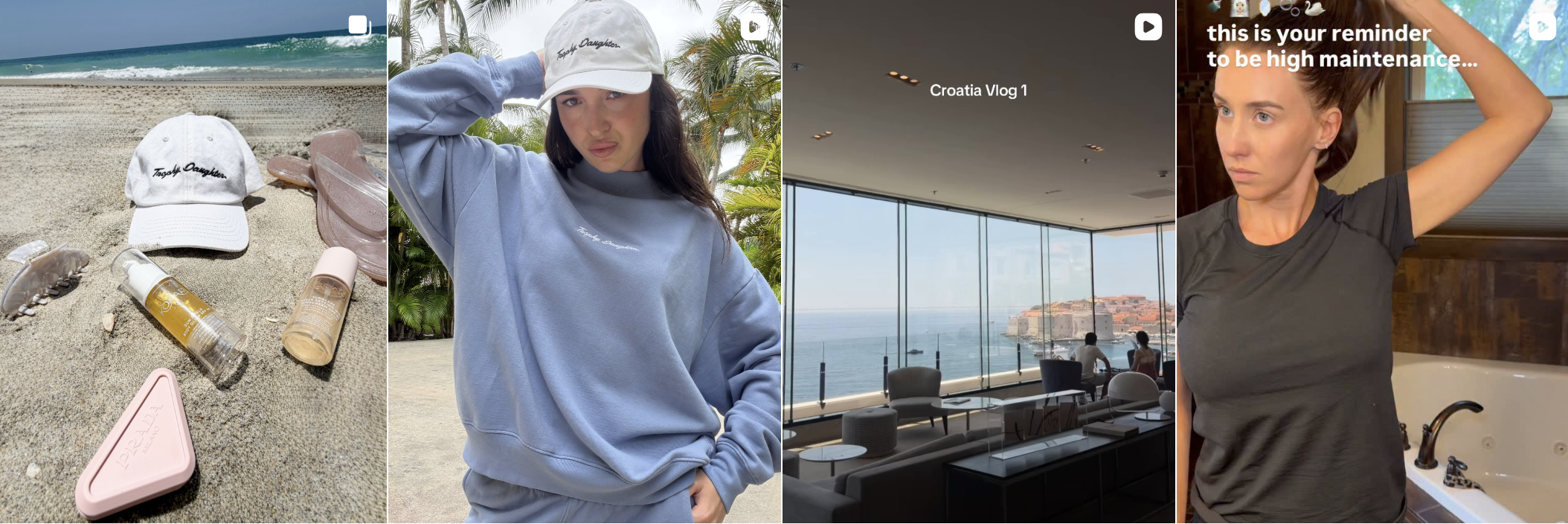
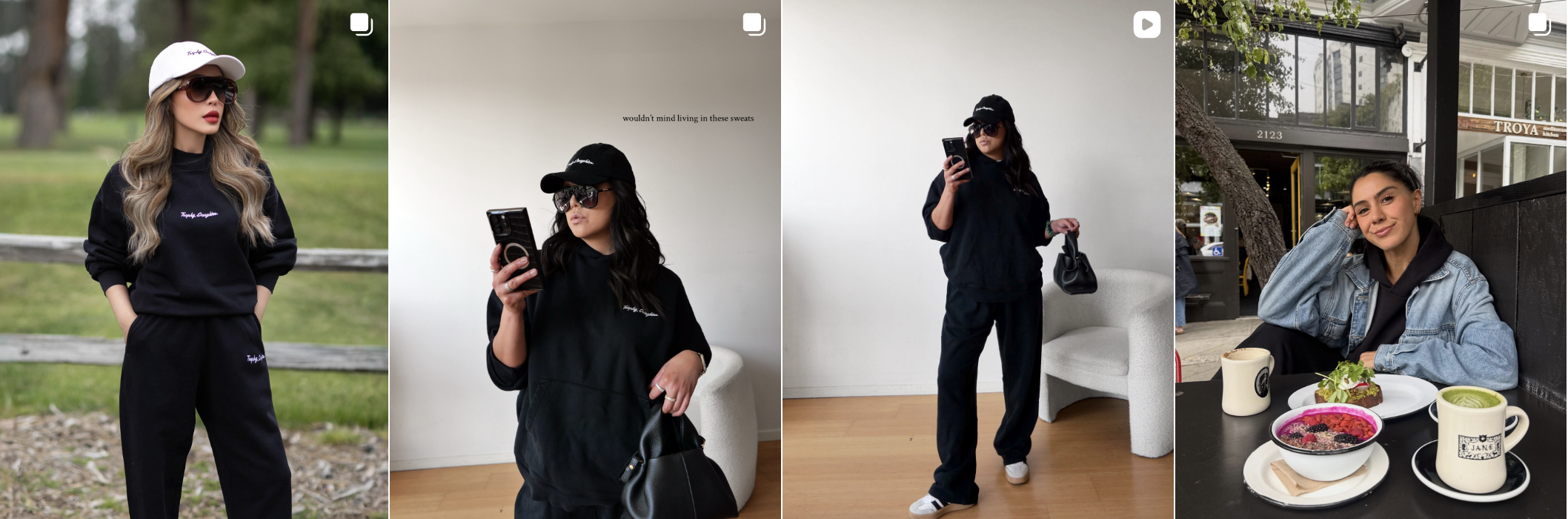
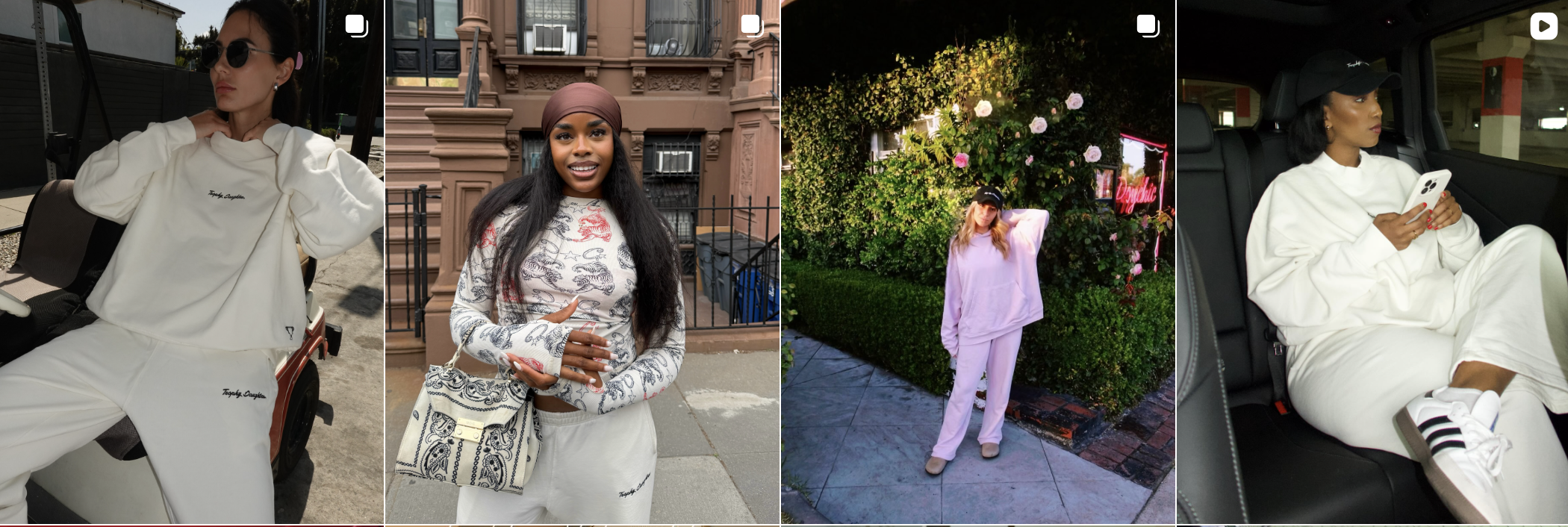
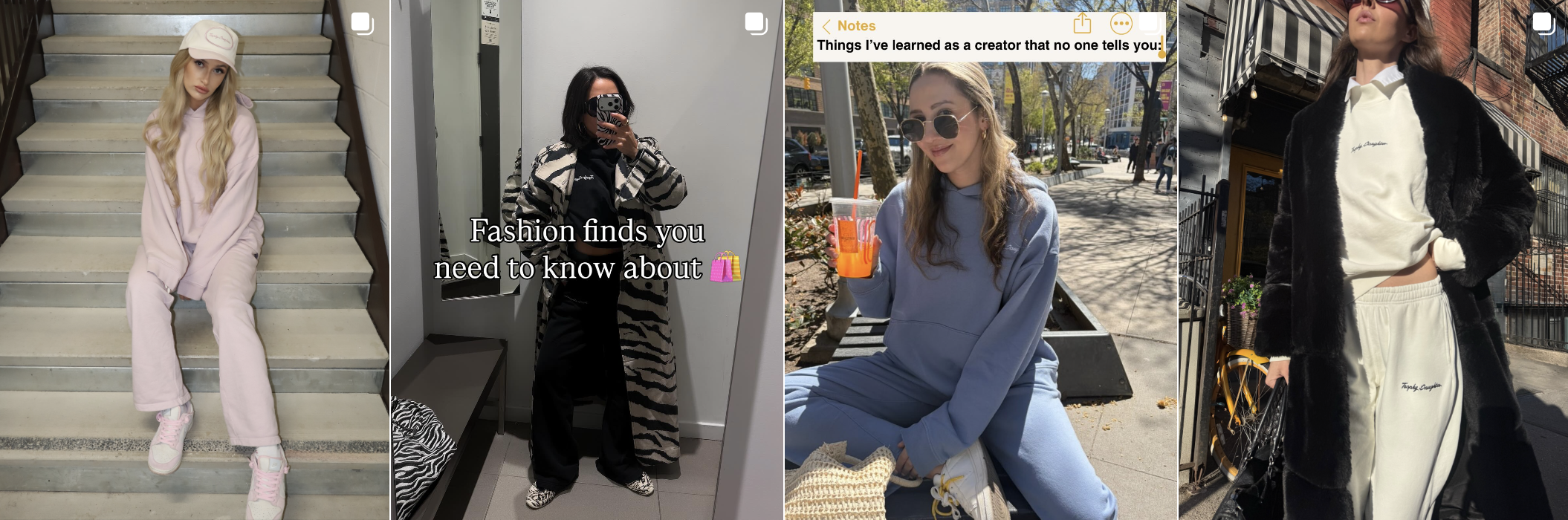
The most expensive mistake is chasing one big name. One video, however good, is still one voice. The brands that break through are the ones that appear everywhere at once, across many trusted creators, until the audience feels it has to have the product.
The second mistake is buying on subscribers instead of views, and paying for an audience that left years ago. The third is briefing a YouTube video like an Instagram post, with a seasonal hook and a code that expires, and throwing away the years of sales that make YouTube worth the premium.
A moment vs. a movement
Which one gets your brand noticed?
One video is a moment. A thousand posts is a movement.
Getting the Most From the YouTube Influencer Rate Calculator
A rate is a starting point, not a final price. The deliverable, usage rights and exclusivity all shift the figure, and so does how hard the video will keep working long after launch.
Use the YouTube influencer rate calculator to understand the market, compare creators on equal terms and walk into every negotiation with confidence. Then build a campaign around fit and longevity, not just reach, or talk to our team about building one with you.
YouTube Influencer Rate Calculator: Frequently Asked Questions
How accurate is the YouTube influencer rate calculator? It gives a market range based on our campaign pricing data. Final fees still depend on the deliverable, usage rights and exclusivity.
How much do YouTube influencers charge? It depends on far more than subscribers. Recent views, past brand partnerships, status and the deliverable you book all change the price. Use the calculator above for an estimate based on our campaign data.
Why does YouTube cost more than Instagram? A YouTube video takes far more work to make, holds attention for minutes instead of seconds and keeps getting found through search for years.
What is the difference between a dedicated video, an integration and a mention? A dedicated video is built entirely around your brand. An integration is a 60 to 90 second segment inside a regular video and costs a fraction of a dedicated one. A mention is a few seconds and a link.
Why does the calculator ask for views instead of just subscribers? Subscriber counts include people who stopped watching long ago. Views on the last three videos show how many people will actually see your brand.
How long does a YouTube sponsorship keep working? Much longer than most brands expect. We have seen videos keep driving sales two to three years after they went live.
Should I give a YouTube creator a discount code? Yes, and make it one that keeps working for years. Avoid codes and offers that expire, because the video will keep being watched long after the campaign ends.
What products sell best on YouTube? Products that need explaining, like software, tech, finance and tools. Products people understand in a second, like fashion and decor, usually do better on Instagram.
Are YouTube influencer rates negotiable? More than ever, because there are more creators than ever. The exception is a creator who dominates her niche with no real substitute.
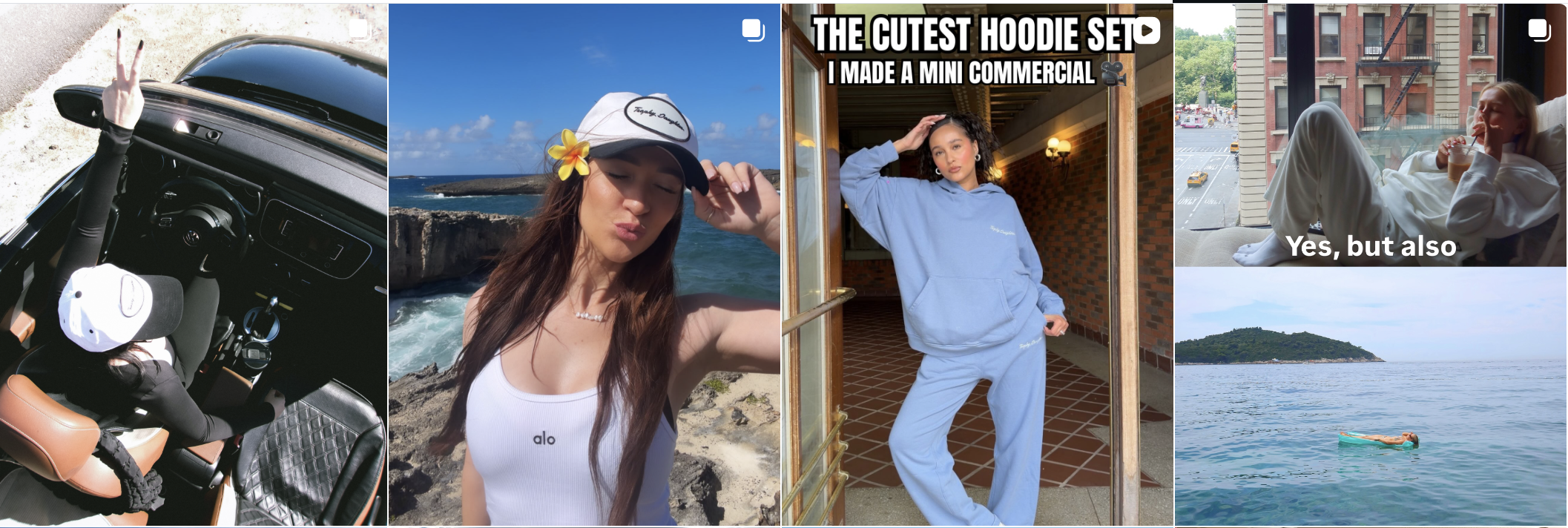
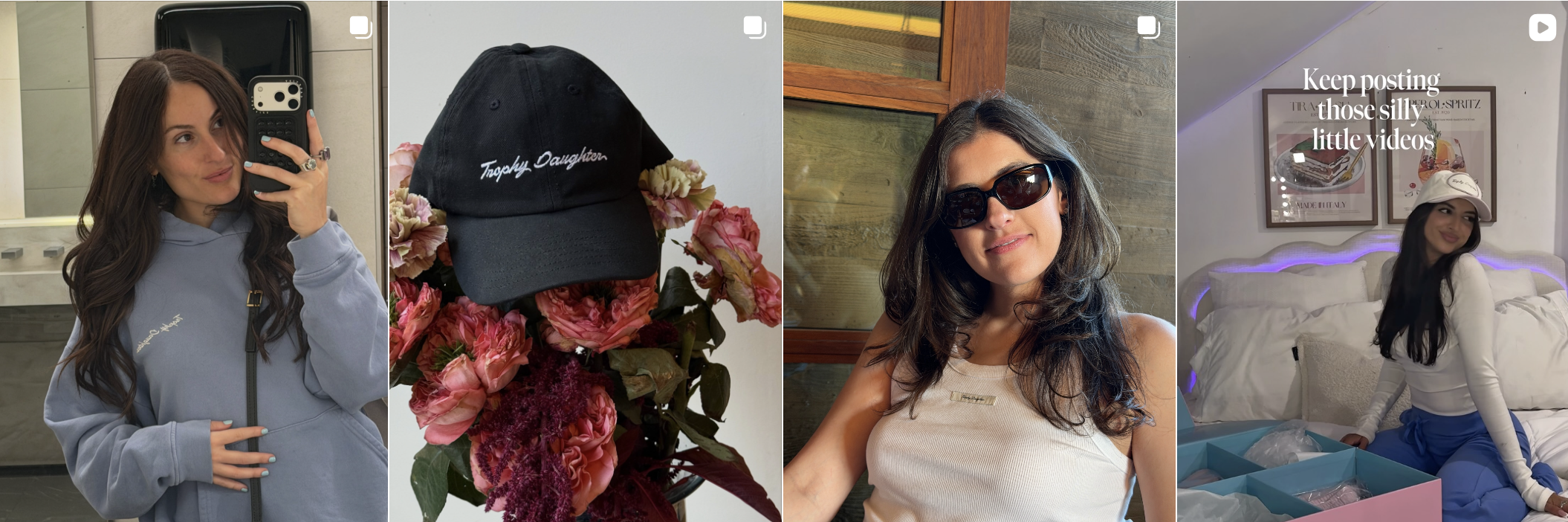
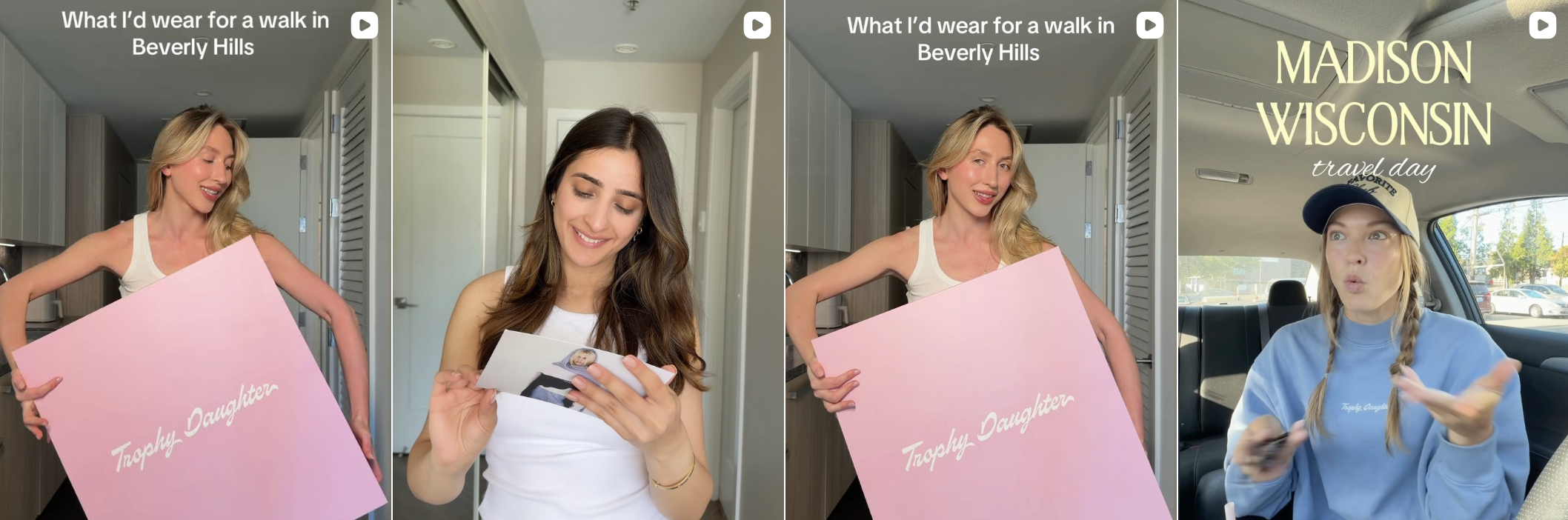

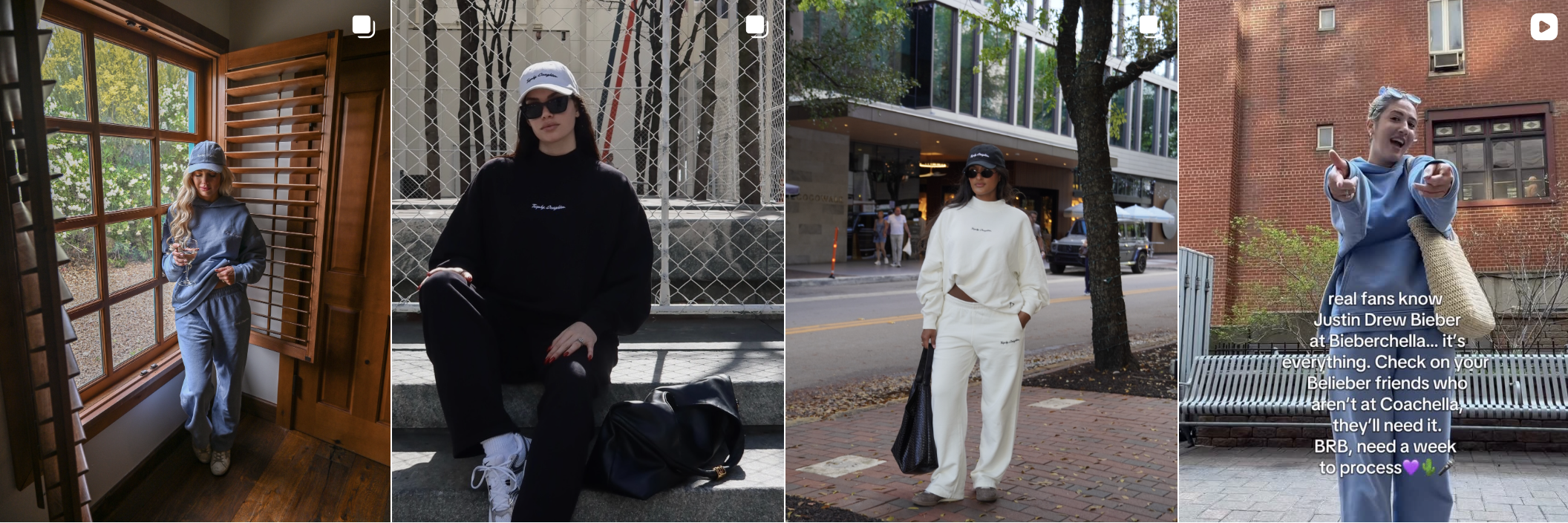
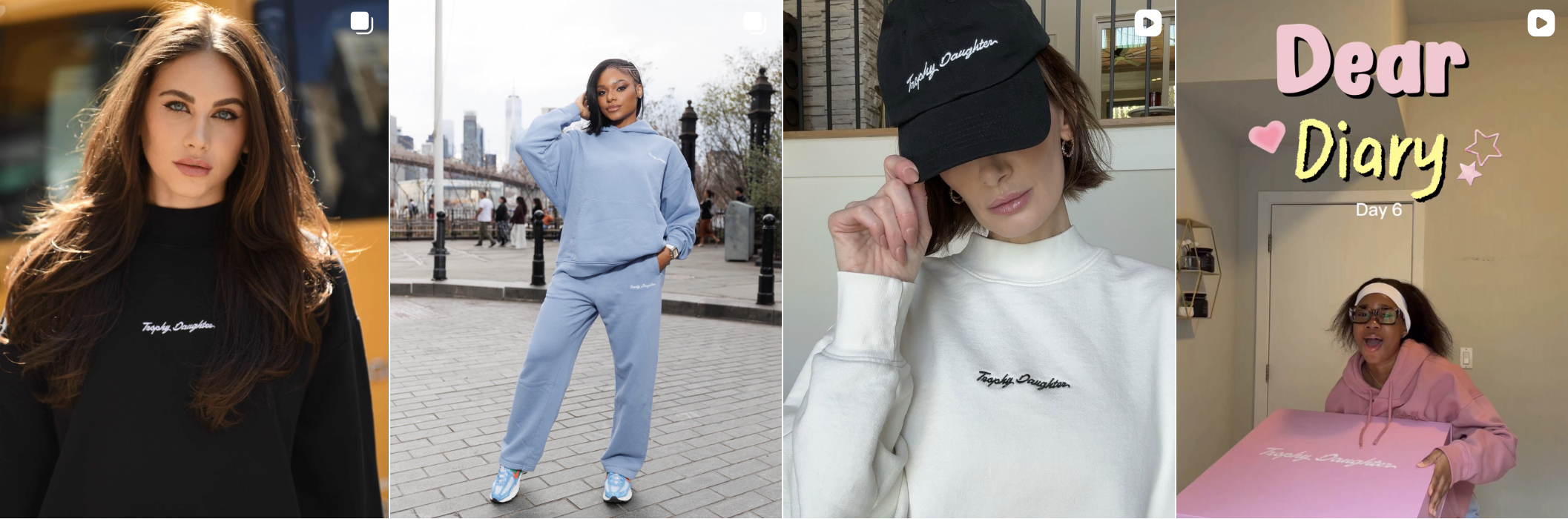
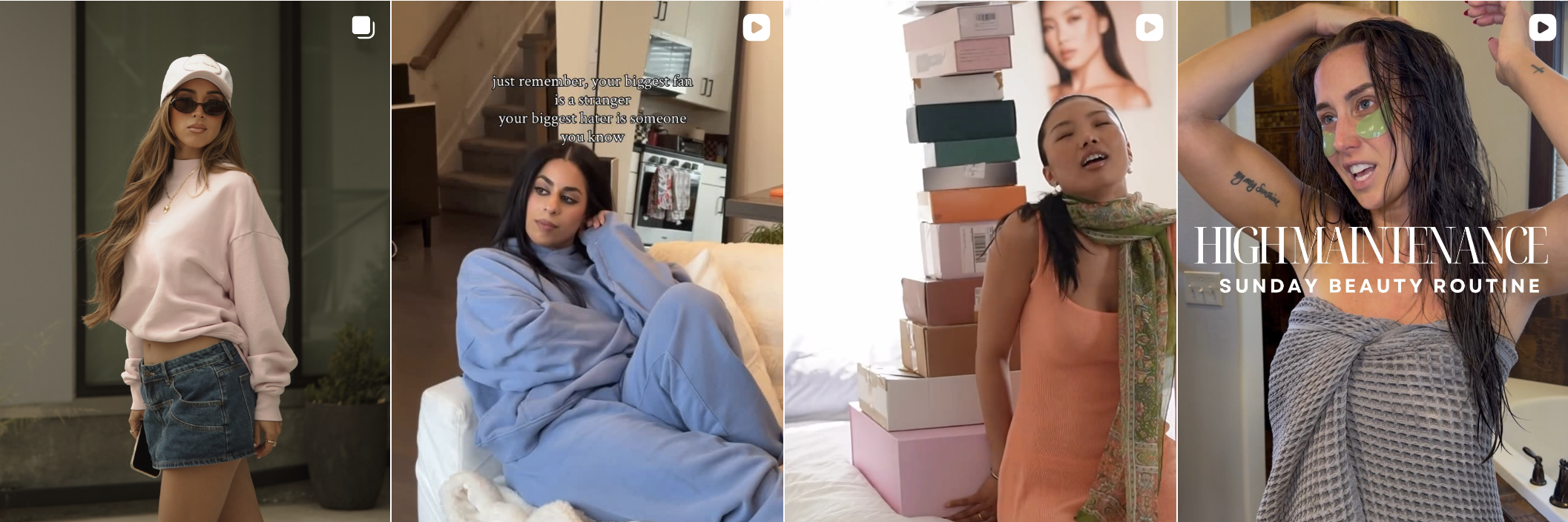
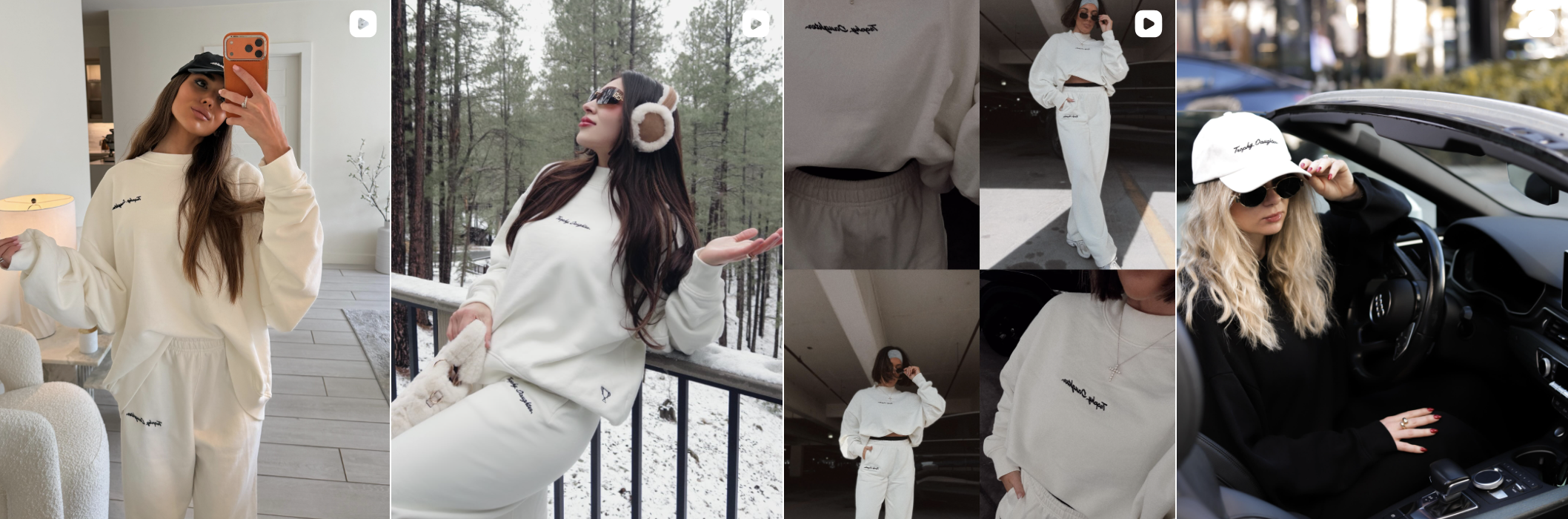
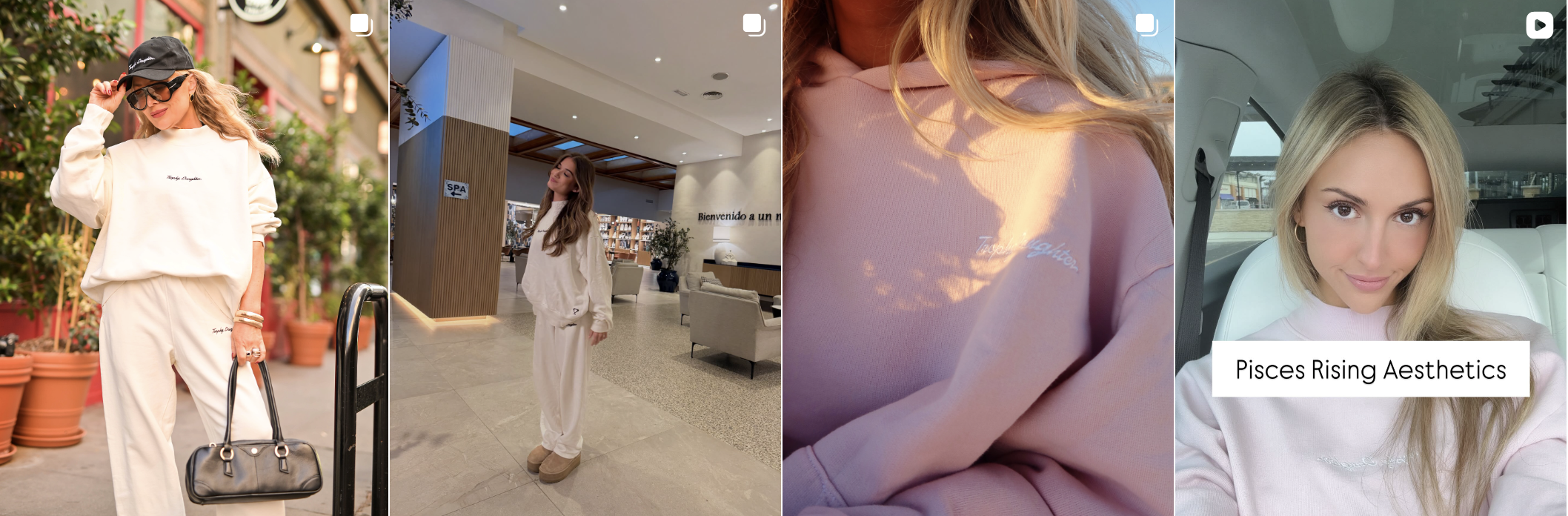
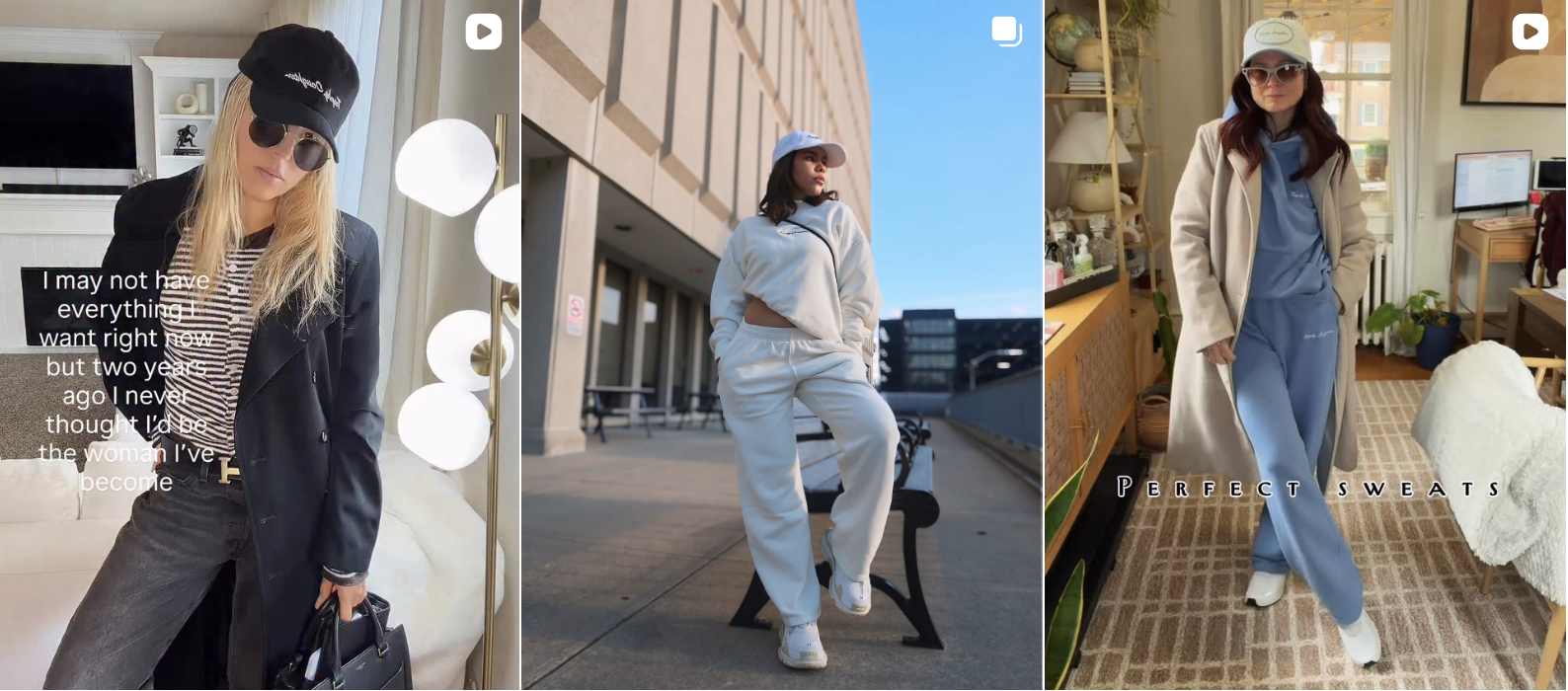
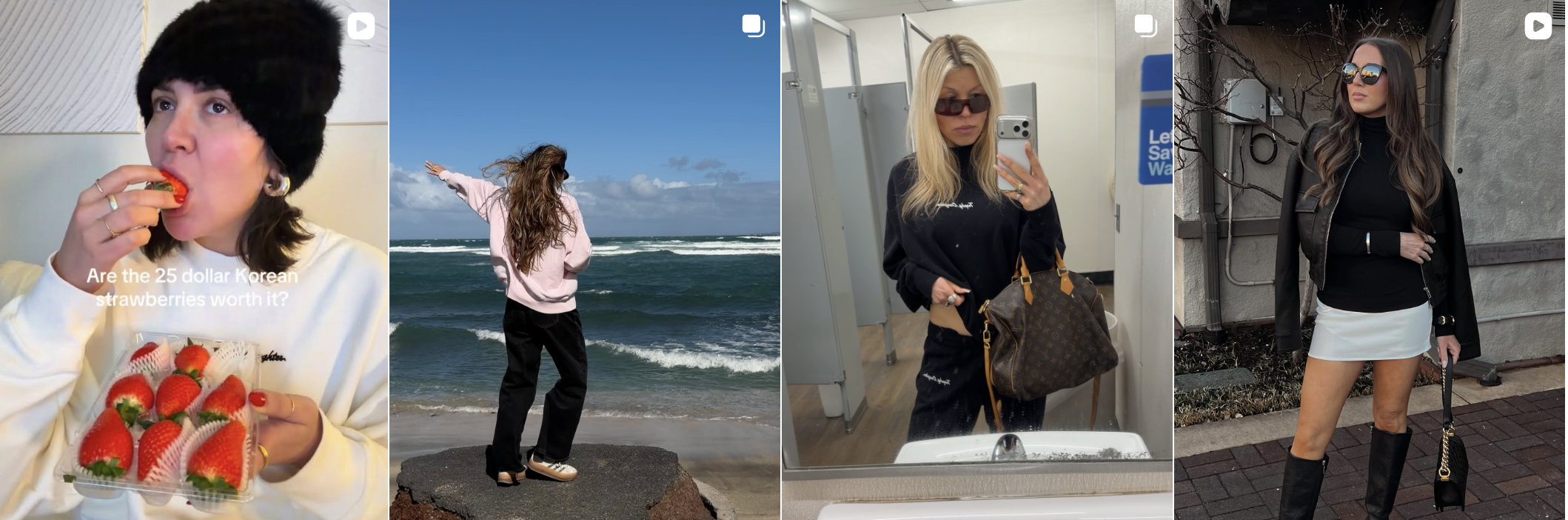
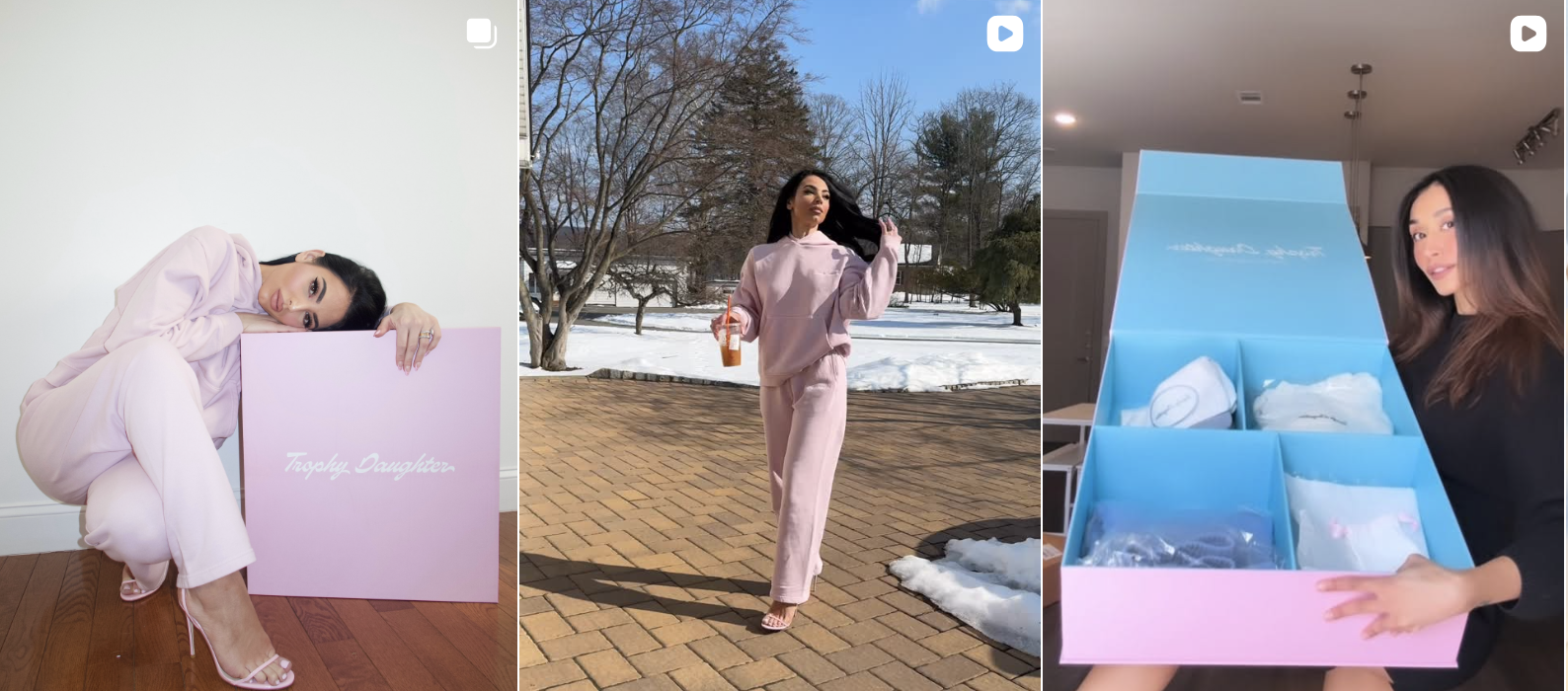
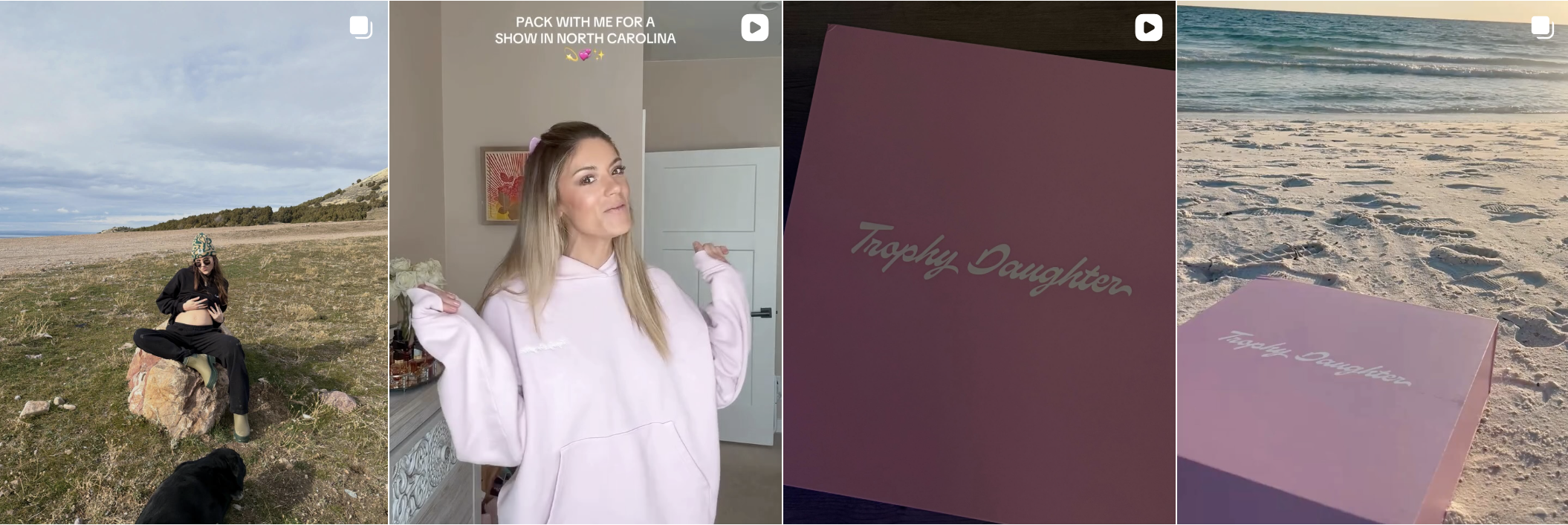
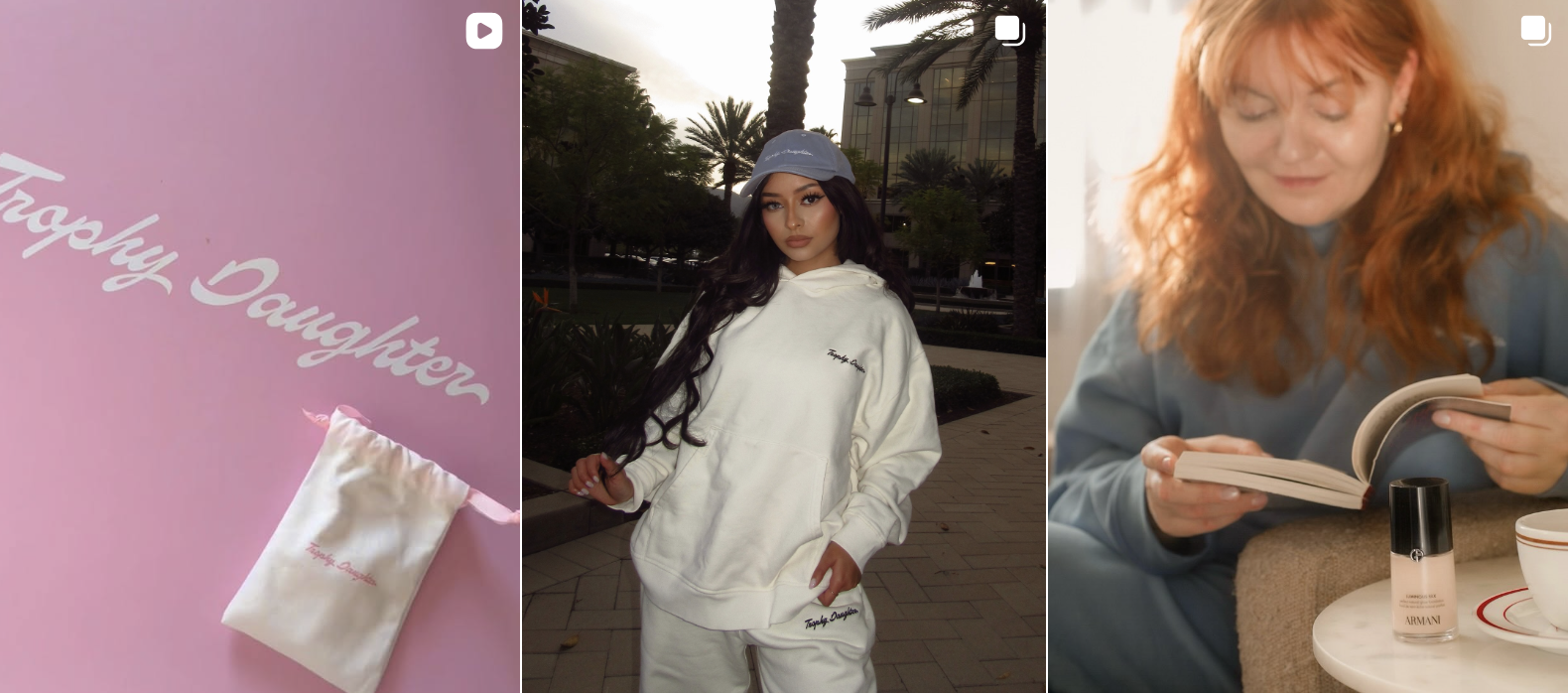
influencers posting for one brand.
This is what going viral looks like.
Your brand, everywhere at once. Let's make it happen.
Schedule a Personal Consultation →