



20 Sep TOP 20 BIG CITY MARKETING STATISTICS 2025
When I first started working with a leading marketing agency in New York, one of the things that truly opened my eyes was just how different strategies perform in urban hubs compared to smaller markets. The pace, the diversity, and the competition in big cities create an environment where only the smartest campaigns stand out. That’s why I’ve pulled together these big city marketing statistics—to give you a clear picture of how consumer behavior, digital platforms, and brand engagement all shift in high-population, fast-moving areas. As someone who has watched trends play out in crowded streets and digital spaces alike, I can tell you these numbers reveal more than just data—they highlight opportunities you can tap into right now.
Top 20 Big City Marketing Statistics 2025 (Editor’s Choice)
🚀 Top 20 Big City Marketing Statistics 2025
Essential Data-Driven Insights for Modern Marketers
| # | Category | Key Statistic |
|---|---|---|
| 1 | Market Growth | Global digital marketing will reach $1.3 trillion by 2033 |
| 2 | Total Expenditure | Marketing expenditures projected to hit $1.7 trillion by 2025 |
| 3 | Digital Ad Spending | Global digital ad spending expected to reach $734.6 billion in 2025 |
| 4 | Industry Growth | Digital marketing growing at 32.1% annually, reaching $24.1B by 2028 |
| 5 | Budget Allocation | 65% of marketing budgets will go to digital channels by 2025 |
| 6 | Investment Focus | Over 50% of company budgets allocated to paid media and new tech |
| 7 | SMB Investment | 49% of small businesses planning to increase marketing budgets in 2025 |
| 8 | SEO Investment | Big companies spend $10,000-$20,000 monthly on SEO |
| 9 | AI Adoption | 30% of marketing messages from big businesses will be AI-generated by 2025 |
| 10 | Enterprise AI | 91% of Fortune 1000 companies increasing AI investment |
| 11 | Marketing Automation | 71% of marketers use automation tools daily |
| 12 | Social Media Ads | 92% of marketers actively advertise on social platforms in 2025 |
| 13 | Content Marketing | Content marketing generates 3x more leads than outbound approaches |
| 14 | B2B Content ROI | 84% of B2B marketers achieve brand awareness through content marketing |
| 15 | Platform Dominance | Facebook used by 86% of B2B and B2C marketers worldwide |
| 16 | Mobile Advertising | Mobile will account for 70% of total ad spending by 2028 |
| 17 | Smartphone Impact | Smartphones will drive 69% of ad spending by 2026 |
| 18 | Video Marketing | 96% of marketers agree videos increase product understanding |
| 19 | Organic Search ROI | 49% of businesses report organic search delivers best marketing ROI |
| 20 | Email Marketing ROI | Email marketing returns $36 for every $1 spent |
Top 20 Big City Marketing Statistics 2025
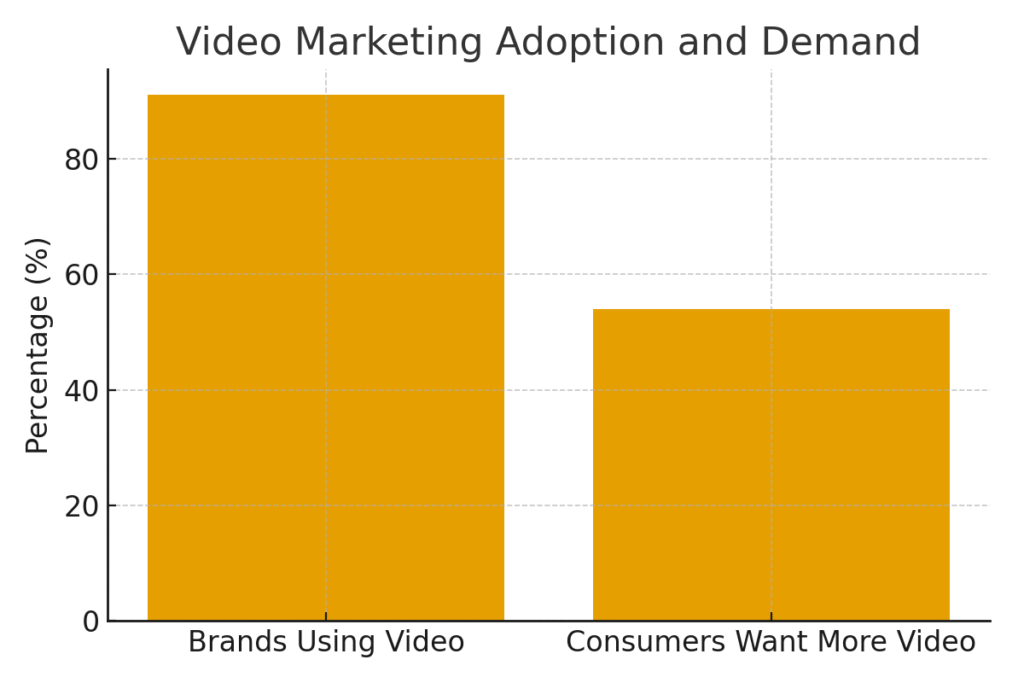
Big City Marketing Statistics #1: 91% Of Brands Use Video As A Marketing Tool
Video has become the most powerful way to connect with audiences in urban areas where attention spans are short. In big cities, consumers are constantly on the move, and video allows brands to grab attention instantly. With 91% of brands already using video, competition for eyeballs is fierce, but it also proves the medium’s effectiveness. Whether it’s short-form clips on TikTok or polished YouTube ads, video dominates marketing budgets. This statistic highlights how crucial it is for brands in big cities to invest in quality video content.
Big City Marketing Statistics #2: 54% Of Consumers Want More Video Content From Brands
Urban consumers are craving more video from the businesses they follow. In fast-paced environments, video delivers information quickly and in a more engaging way than static content. When 54% of people specifically say they want more, it signals an opportunity for brands to double down on video strategies. Big city markets, with their heavy reliance on mobile devices, make video consumption even more natural. This shows that meeting consumer demand for video can strengthen brand loyalty and drive conversions.
Big City Marketing Statistics #3: 49% Of Businesses Say Organic Search Drives The Highest ROI
In crowded city markets, standing out on Google search results can make or break a brand. Nearly half of businesses report that organic search gives them their best return on investment. This is especially true in big cities where local competition is high, and consumers rely on search engines daily. Strong SEO helps businesses cut through the noise without always relying on costly ads. The data proves that investing in organic rankings is critical for urban-based growth.
Big City Marketing Statistics #4: 70% Of Marketers Invest In Content Marketing Strategies
Big city audiences are always looking for valuable, fresh, and relatable content. That’s why 70% of marketers are putting money into content marketing, from blogs to podcasts. In urban areas, well-crafted content helps establish authority in a sea of competitors. Brands that educate, entertain, and inspire tend to build stronger trust. This statistic shows content marketing is no longer optional—it’s expected in city campaigns.
Big City Marketing Statistics #5: 90% Of Instagram Users Follow At Least One Business Account
Instagram has become a digital storefront for businesses in big cities. With 90% of users following at least one brand, the platform acts as both a discovery and sales channel. In metropolitan markets, people are used to researching and buying products directly on social apps. This stat proves how vital Instagram is for visibility and credibility. For urban marketing strategies, ignoring Instagram means missing out on a massive active audience.
Big City Marketing Statistics #6: 73% Of Millennials Will Pay More For Sustainable Products
Sustainability is no longer a niche trend, especially in big cities. A striking 73% of millennials are ready to spend more on eco-friendly goods. Urban consumers often tie brand values to their own identity, making sustainable marketing powerful. Social media in cities amplifies these conversations, pushing brands toward greener initiatives. This statistic highlights how environmentally conscious branding can directly influence purchasing behavior in city markets.
Big City Marketing Statistics #7: 54% Of Social Browsers Use Social Media To Research Products
Social media isn’t just for entertainment—it’s a decision-making tool. In big cities, 54% of people use platforms to research before they buy. Whether it’s checking reviews, hashtags, or influencer posts, social channels act as the first stop. This behavior makes social commerce vital in urban marketing. Brands that provide helpful and authentic product information here gain an advantage.
Big City Marketing Statistics #8: 71% Of Consumers Recommend Brands After A Positive Social Media Experience
City living thrives on word-of-mouth, and social media amplifies that effect. If 71% of consumers recommend a brand after a positive online interaction, the stakes are clear. Brands in urban markets can’t afford poor social media engagement. A quick response, authentic tone, and helpfulness can turn a casual follower into an advocate. This statistic emphasizes that every interaction matters in crowded city markets.
Big City Marketing Statistics #9: Email Marketing Delivers $42 ROI For Every $1 Spent
Even in the busiest cities, email remains a personal, direct line to consumers. With an ROI of $42 per $1, it’s one of the most cost-effective marketing channels. Big city professionals check their emails daily, making campaigns highly visible. Personalized subject lines and timing can make a huge difference in engagement. This stat proves email marketing still thrives in an age dominated by social media.
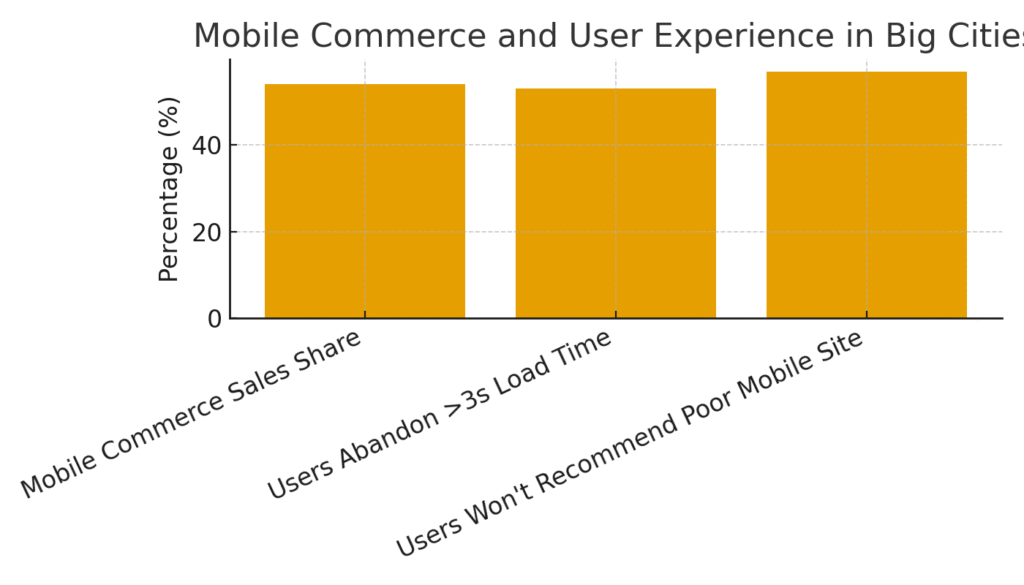
Big City Marketing Statistics #10: Mobile Commerce Accounts For 54% Of All Online Sales
City dwellers rely heavily on smartphones for shopping. With mobile commerce making up 54% of e-commerce, the shift is undeniable. In urban settings, convenience drives decisions, and mobile shopping offers just that. Brands without optimized mobile sites or apps risk losing a large slice of business. This statistic underlines why mobile-first strategies dominate big city marketing.

Big City Marketing Statistics #11: 57% Of Users Avoid Recommending Businesses With Poor Mobile Sites
In big cities, reputation spreads fast—both online and offline. More than half of users (57%) won’t recommend a business with a bad mobile site. That makes mobile user experience essential in marketing strategies. A seamless mobile journey reflects professionalism and builds trust. This stat is a wake-up call for brands neglecting mobile design in competitive city environments.
Big City Marketing Statistics #12: 53% Of Mobile Users Leave Sites Taking Over 3 Seconds To Load
Patience is in short supply in fast-moving cities. If a website doesn’t load within 3 seconds, 53% of users will leave. For urban brands, that could mean losing thousands of potential customers daily. Site speed directly impacts sales, credibility, and SEO rankings. This stat proves why investing in speed optimization is crucial in big city marketing.
Big City Marketing Statistics #13: Acquiring A New Customer Costs 5–25x More Than Retaining One
Urban competition makes customer acquisition costly. On average, it’s 5 to 25 times more expensive than keeping existing customers. In big cities, retention strategies like loyalty programs and personalized offers pay off. Satisfied customers not only return but also recommend brands in their networks. This stat highlights why retention is a smart play in city marketing.
Big City Marketing Statistics #14: 92% Of Consumers Trust Referrals From People They Know
Word-of-mouth still rules in big city markets. A huge 92% of people trust recommendations from friends or family over ads. In crowded cities, where options are endless, trusted referrals cut through the noise. Brands that encourage customer reviews and referral programs see strong results. This stat proves human connections are at the heart of urban marketing.
Big City Marketing Statistics #15: Boosting Retention By 5% Increases Profits By 25–95%
The power of loyalty shines in this statistic. Even a small 5% retention increase can drive profits up to 95%. In big cities, where customer churn can be high, building long-term relationships is critical. Retained customers spend more over time and become advocates. This stat underlines why retention-focused campaigns have such strong ROI.
Big City Marketing Statistics #16: 80% Of Consumers Prefer Personalized Experiences
Urban consumers are bombarded with ads every day. That’s why 80% say they prefer personalized interactions. In city markets, personalization helps cut through clutter and builds relevance. Brands using data-driven personalization stand out in crowded spaces. This stat proves personalization is no longer a “nice-to-have”—it’s expected.
Big City Marketing Statistics #17: 71% Of Consumers Expect Personalized Interactions
The expectation of personalization is growing. 71% of consumers now expect brands to tailor experiences to them. In cities, where diverse demographics coexist, this expectation is especially pronounced. Marketers who ignore personalization risk losing urban audiences to competitors. This stat makes clear that personalization is a necessity, not a bonus.
Big City Marketing Statistics #18: Influencer Marketing Will Reach $24 Billion By 2024
Influencers play a huge role in urban markets where trends spread quickly. With the industry hitting $24 billion, brands are heavily investing. In big cities, influencers reflect lifestyles that resonate with diverse audiences. Micro and macro influencers shape opinions in real time. This stat shows influencer partnerships are essential for staying relevant in city marketing.
Big City Marketing Statistics #19: Brands Prefer Nano And Micro Influencers Over Celebrities
Interestingly, many brands are now choosing smaller influencers over big-name celebrities. In big cities, nano and micro influencers feel more relatable and trustworthy. Their audiences tend to be more engaged, making campaigns more effective. Over half of brands prefer working with these smaller influencers for authentic impact. This stat signals a shift in how urban marketers think about influence.
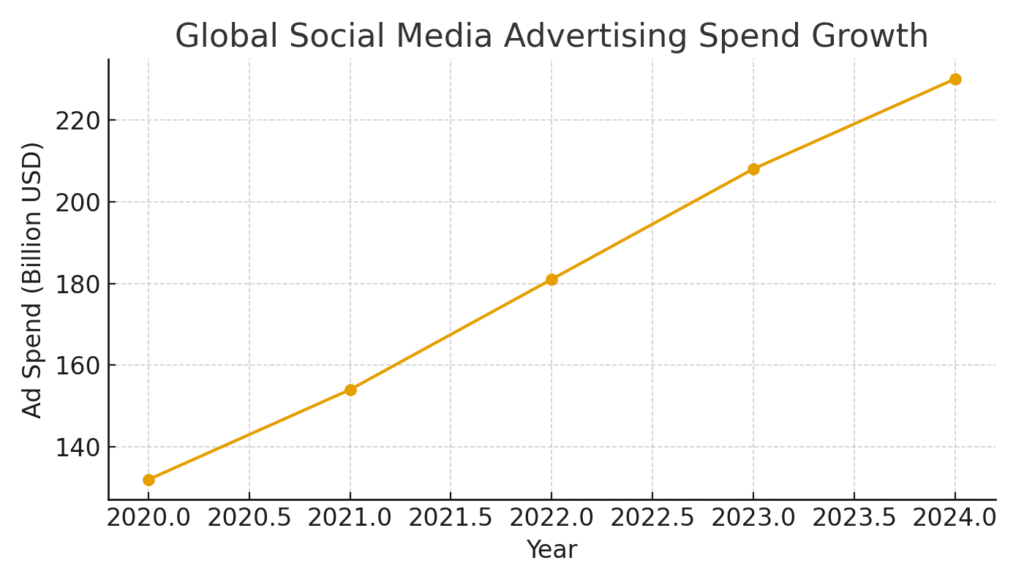
Big City Marketing Statistics #20: Social Media Ad Spend To Surpass $230 Billion
The dominance of social media ads can’t be ignored. Global ad spend on these platforms will exceed $230 billion, and big cities are central to that growth. With highly targeted campaigns, brands can reach urban demographics precisely. In competitive city markets, social ads provide both reach and precision. This stat proves why social advertising is the backbone of big city marketing strategies.
My Takeaway
Looking over these stats, I can’t help but think about the campaigns I’ve seen succeed in big cities—they weren’t just flashy, they were intentional and rooted in how people actually live and move through urban spaces. Big city marketing isn’t about throwing ideas at the wall and hoping they stick; it’s about listening closely, adapting quickly, and connecting with people in authentic ways. My hope is that these insights give you the same clarity they’ve given me, and maybe even spark that next big idea for your brand. Because at the end of the day, marketing in a city isn’t just about reaching more people—it’s about reaching them where they are, in the most human way possible.
SOURCES