



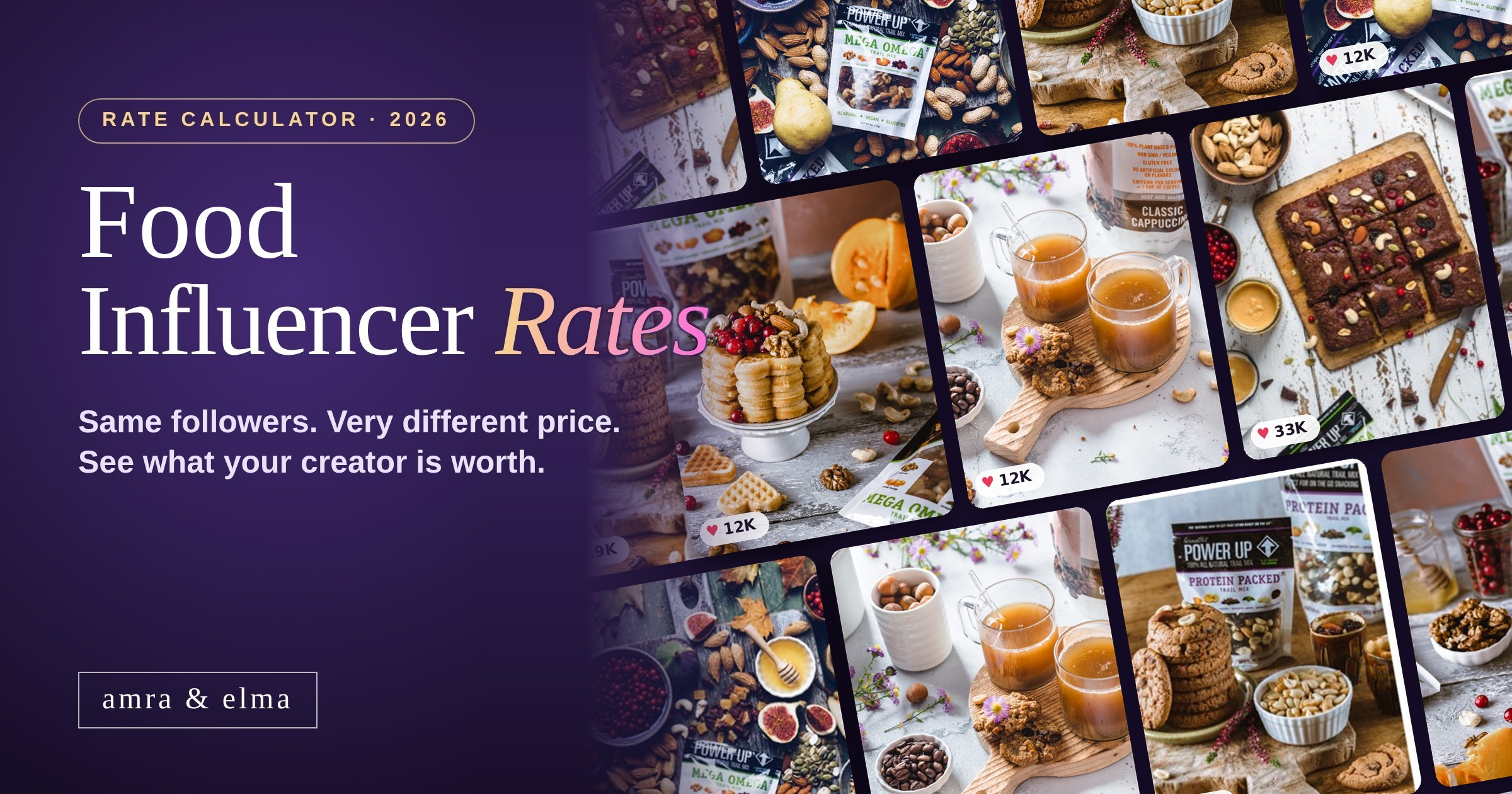
05 Nov Food Influencer Rate Calculator: What Creators Really Charge (2026)
How much do food influencers charge?
Use the Amra & Elma food influencer rate calculator below to estimate any food creator's fee in seconds.
Amra & Elma Food Influencer Rate Calculator
Followers open the door. Trust sets the price.
We have been inside this industry since before "influencer" was a job title. In more than 13 years, our team has reviewed and negotiated with thousands upon thousands of creators, and food is one of the most visual, fast-moving categories we work in. People eat with their eyes first. One mouth-watering video of a creator taking the first bite can send followers straight to the store or the checkout page. But not every food account carries the same pull, and that is exactly where brands overpay or underpay.
Same followers. Very different price.
What you can't see on the profile is what you pay for
foodie
page
Fewer followers. More money. Trust sets the price.
Brands are buying trust, not a number
Same audience size. Completely different standing.
We built this food influencer rate calculator on that experience. It does not just count followers. It asks who is behind the account, how established her personal brand has become and whether she has built a food brand or restaurant of her own, because in food those signals move the price more than anything else.
What Food Influencers Really Charge: The Honest Answer
Here is a secret that surprises many brands: most food creators price below the fashion and beauty creators you see at the top of Instagram. Food is one of the biggest categories on social media, there are more home cooks, recipe creators and restaurant reviewers than ever, and a great food video is easier to make than a high-fashion shoot. That makes food one of the most efficient categories to work in, especially for snack, drink and grocery brands that want to be seen everywhere at once.
But "below" is only the average. Food creators with a big personal brand, the ones whose recipes people actually cook, charge far more. Professional chefs carry extra weight, and creators who have built their own food brand or restaurant charge more still. If you want the general market first, our Instagram influencer rate calculator covers it in depth.
The food price staircase
Every step up adds trust, and price
page
foodie
partners
brand
or restaurant
The more people cook what she cooks, the more her word is worth.
The Biggest Secret: People Trust the First Bite
Food is full of large faceless accounts: overhead recipe clips, hands-only cooking videos, reposted restaurant reels and "best snacks" roundups. Many of them grow quickly and rack up views. But a sponsored post there is not a recommendation. Nobody is tasting the product and telling you it is good, so nobody is vouching for it.
A real creator is a different story. When she takes the first bite and her face lights up, her audience believes it. She is putting her own taste and her own name behind the product. That reaction is what sells food, and it is why faceless food pages price well below creators who show up in person.
An ad or a recommendation?
Who is speaking changes everything
Anonymous reach is cheaper. A real reaction sells.
The Big Personal Brand: When Her Name Is the Draw
At the top of food sit creators whose names have become brands in their own right. People follow them for the recipes, the restaurant picks and the personality, and they trust her taste the way they would trust a friend who always knows where to eat. Those creators are selective, they work with the biggest food and drink brands, and they rarely negotiate down. A lower price would tell the market their recommendation is worth less.
Up-and-coming food creators are a different conversation. They are building their audience, they are far more flexible on price and timing, and their followers are often just as engaged. For many brands, a large group of rising food creators creates far more noise than one famous name.
Two food creators. Two negotiations.
Know which one you're talking to
One sells a name. The other sells momentum.
The Founder Factor: Chefs and Food Brand Owners
Some of the most successful food creators are professional chefs, and many have launched their own sauces, snacks, cookware or restaurants. Once a creator owns a food brand or a restaurant, the math changes. She has less reason to promote anyone else, every post about another product takes attention away from her own, and she will never promote something that competes with what she has built. When she does agree to a partnership, she prices it accordingly.
That doesn't put her out of reach. A chef or founder will often say yes to a product that genuinely fits her kitchen and doesn't overlap with her own line. But expect a premium, and expect her to be very particular about fit.
Why a Food Influencer Rate Calculator Needs More Than Followers
Follower count sets the floor. It does not set the price. Past a certain size, a bigger audience is simply a broader one, and food audiences are specific. A creator whose followers cook plant-based won't sell steak, and an audience of fine-dining fans won't care about budget meal kits. Fit beats size, and the kind of food matters as much as the number. Rates climb quickly through the mid-tier before flattening at the very top.
The follower mountain
Rates climb fast… then hit a plateau
Past the peak, you pay for fame, not precision.
The Package Food Creators Actually Sell
On Instagram, the standard package is one in-feed post with three supporting Stories. In food, the Stories are where the craving is built: unwrapping the snack, the first bite, the recipe in action. A Reel is almost always the hero piece, because food comes alive in motion,, and it is priced about the same as a feed post.
One post. Three Stories. One price.
The standard food package
Agree the deliverables before the first bite.
Instagram, TikTok or YouTube for Food?
Food is one of the few categories that thrives on all three. Instagram is where a beautiful dish or snack makes someone stop scrolling and save it for later. TikTok is where taste tests, quick recipes and "I tried the viral snack" videos spread fast, usually for a fraction of an Instagram package. YouTube is where longer recipes, kitchen gear reviews and restaurant guides live, and those videos keep getting found for years, which is why a dedicated video is priced well above Instagram. Our TikTok and YouTube influencer rate calculators go deeper on each.
Crave it or cook it?
Pick the platform for the product
Cravings sell on Instagram and TikTok. Recipes live on YouTube.
Styled-Plate Creators vs. First-Bite Creators
Not every food creator works the same way, and pushing the wrong format gets you weaker content. After working with thousands of creators, we see two clear camps.
Styled-plate creators build a feed that looks like a cookbook: perfect light, beautiful props, every dish composed like a magazine spread. First-bite creators live in video. They taste, react, cook along and tell you honestly whether it is worth it, and their audiences love them because it feels real. Both can sell. Since a Reel is priced about the same as a feed post, let the creator lead with the format she does best.
Which creator are you hiring?
Match the format to the creator
Let her share it the way she does best.
How the Food Influencer Rate Calculator Reads Engagement
Few creators know their engagement rate offhand, and media kits go stale fast. Recent posts tell the truth. That is why the food influencer rate calculator asks for likes and comments on up to three recent posts. One viral post can flatter an account, and one quiet post can undersell it. Three gives you the real picture.
Three posts tell the truth
Why the calculator asks for your last three
engagement
One viral post can fool you. Three can't.
Then read the comments. In food, real followers ask for the recipe, where to buy it and whether it tastes as good as it looks. Rows of emojis and "yummy" signal an audience that may not exist at all.
Real fans or bought ones?
Read the comments. Check the growth.
Real questions, steady growth = a real audience.
Usage Rights, Exclusivity and Disclosure in Food
The rate a creator quotes usually covers posting on her own channels, nothing more. Food brands love to reuse creator photos and videos in ads, on product pages, in stores and on packaging, and those usage rights are negotiated separately. The longer the period, the higher the fee. Exclusivity works the same way: asking a creator not to feature competing brands for a period limits her income, so she will price that in. And every sponsored post needs a clear disclosure. The FTC's Disclosures 101 for influencers explains what brands and creators are expected to do.
One post. Many places it could live.
Only the first one comes with the rate
Common Mistakes Food Brands Make
The most expensive mistake is chasing one big name. One post is a moment, and moments fade by tomorrow. The food brands that break through are the ones that appear everywhere at once, across many trusted creators, until everyone is asking where to get it.
The second mistake is paying personal-brand prices for faceless reach, or expecting a faceless page to deliver the reaction only a real creator can. The third is choosing by numbers instead of fit. A creator whose audience doesn't eat what you sell won't sell it, no matter how big she is.
A moment vs. a movement
Which one gets your brand noticed?
One post is a moment. A thousand posts is a movement.
Getting the Most From the Food Influencer Rate Calculator
A rate is a starting point, not a final price. Who is behind the account, how established her brand has become, usage rights and exclusivity all shift the figure. The right creator for the right audience is worth more than a larger account for the wrong one.
Use the food influencer rate calculator to understand the market, compare creators on equal terms and walk into every negotiation with confidence. Then build a campaign around trust and fit, not just reach, or talk to our team about building one with you.
Food Influencer Rate Calculator: Frequently Asked Questions
How accurate is the food influencer rate calculator? It gives a market range based on our campaign pricing data. Final fees still depend on who is behind the account, the deliverables, usage rights and exclusivity.
How much do food influencers charge? Most food creators price below top fashion and beauty creators, but those with a big personal brand, professional chefs and creators who own a food brand or restaurant charge far more. Faceless food pages price well below real creators. Use the calculator above for an estimate based on our campaign data.
Why are food influencers so effective? People eat with their eyes first. A real creator taking the first bite and reacting honestly gives her audience proof, which is why food content moves product so quickly.
Are faceless food pages worth it? They can deliver broad reach quickly, but nobody is tasting the product and vouching for it, so a post there is not a personal recommendation. Expect them to price well below a real creator.
Do chefs and restaurant owners charge more? Usually, yes. Professional chefs carry extra credibility, and creators who own a food brand or restaurant have less reason to promote anyone else and won't feature competing products. They are selective and charge a premium.
Should I book food creators on Instagram, TikTok or YouTube? Instagram and TikTok for snacks, drinks and treats people want to try instantly, and YouTube for recipes, cookware and longer guides people watch before they cook or buy.
Does a sponsored food post need to be disclosed? Yes. Whether the creator was paid or received the product, every sponsored post needs a clear disclosure.
Are food influencer rates negotiable? Rising food creators are often flexible. Established names and chefs rarely move on price, because a lower rate would tell the market their recommendation is worth less.
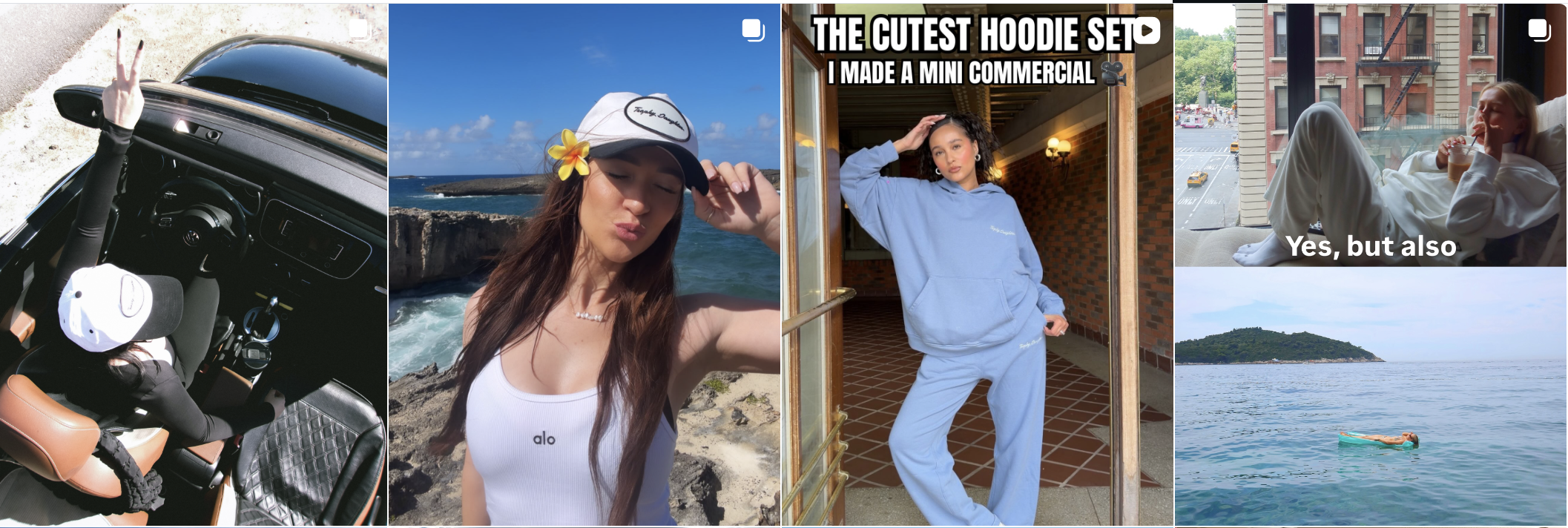
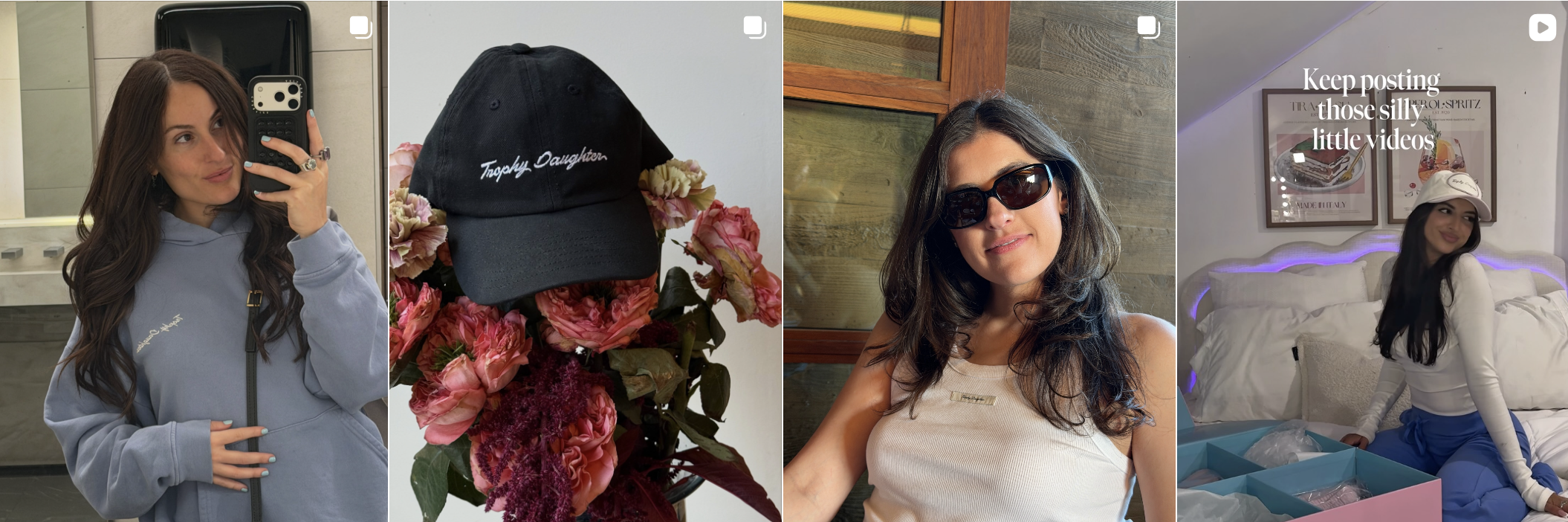
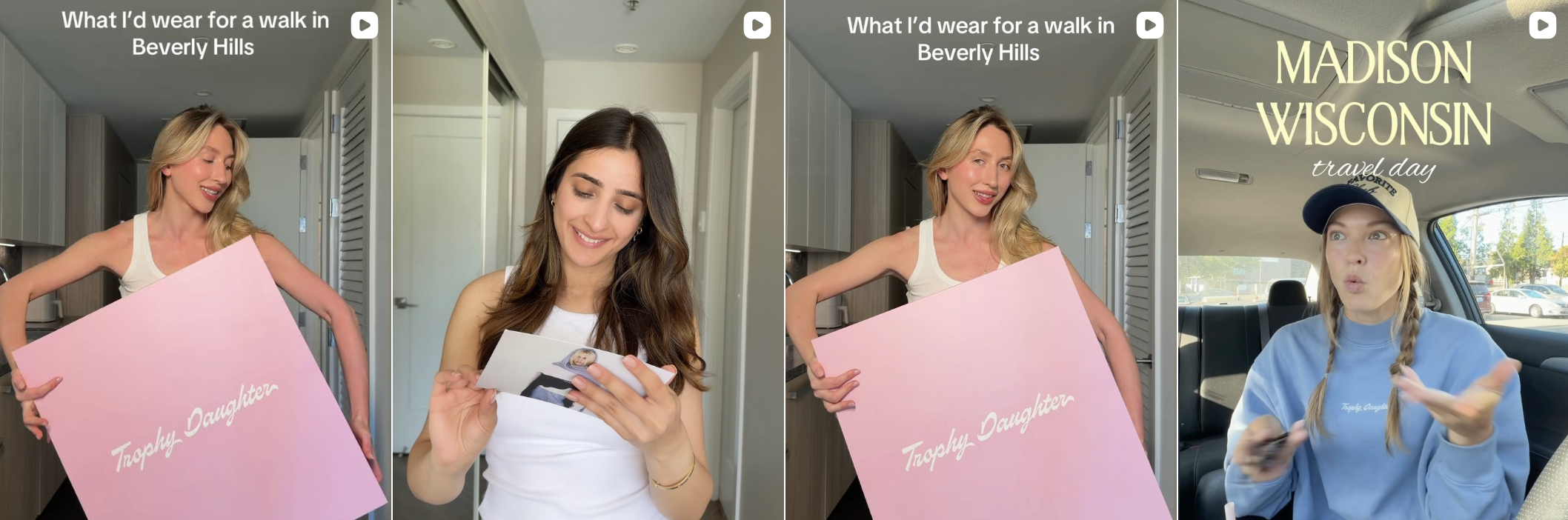
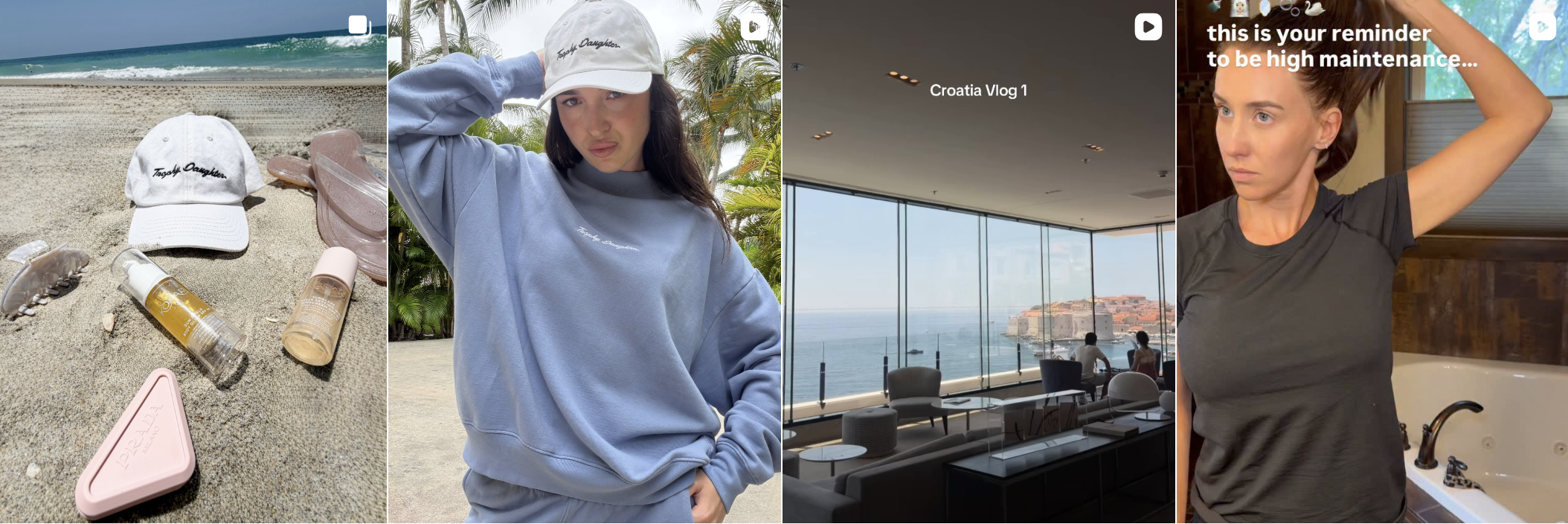
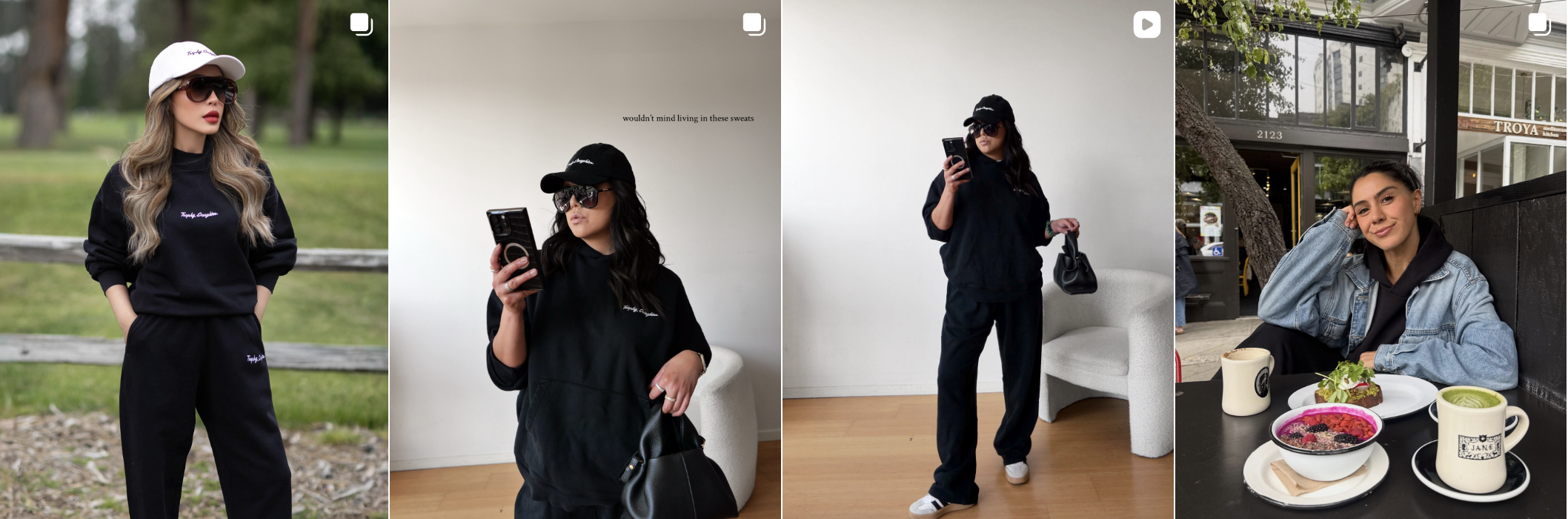
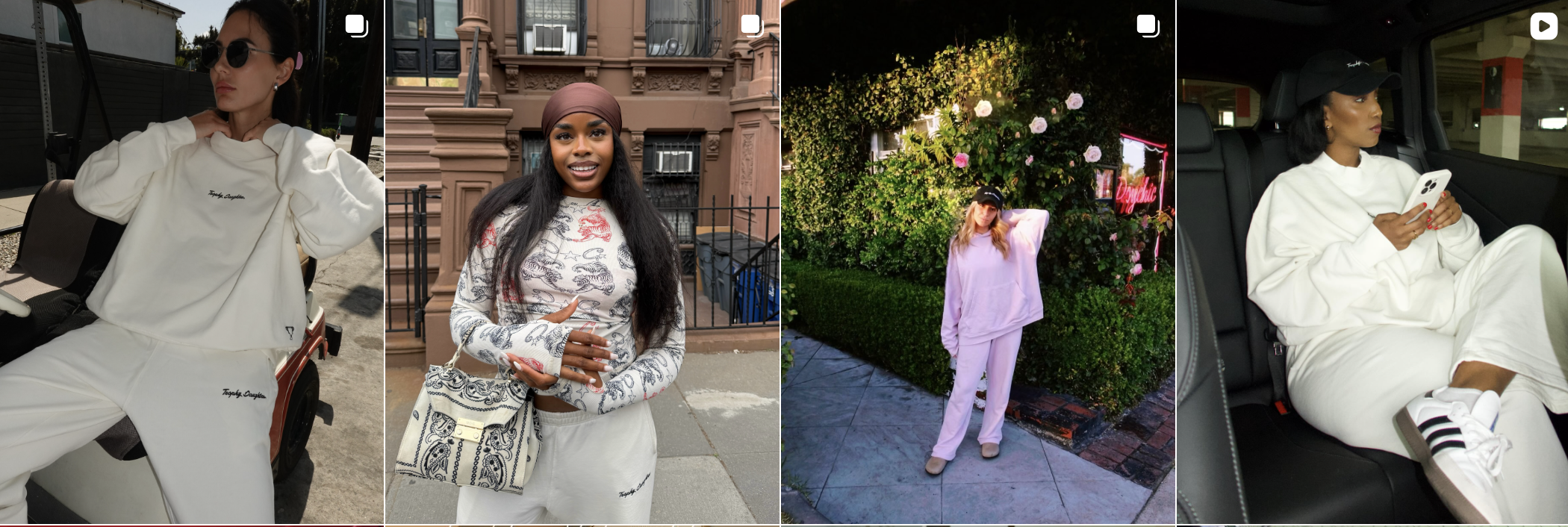

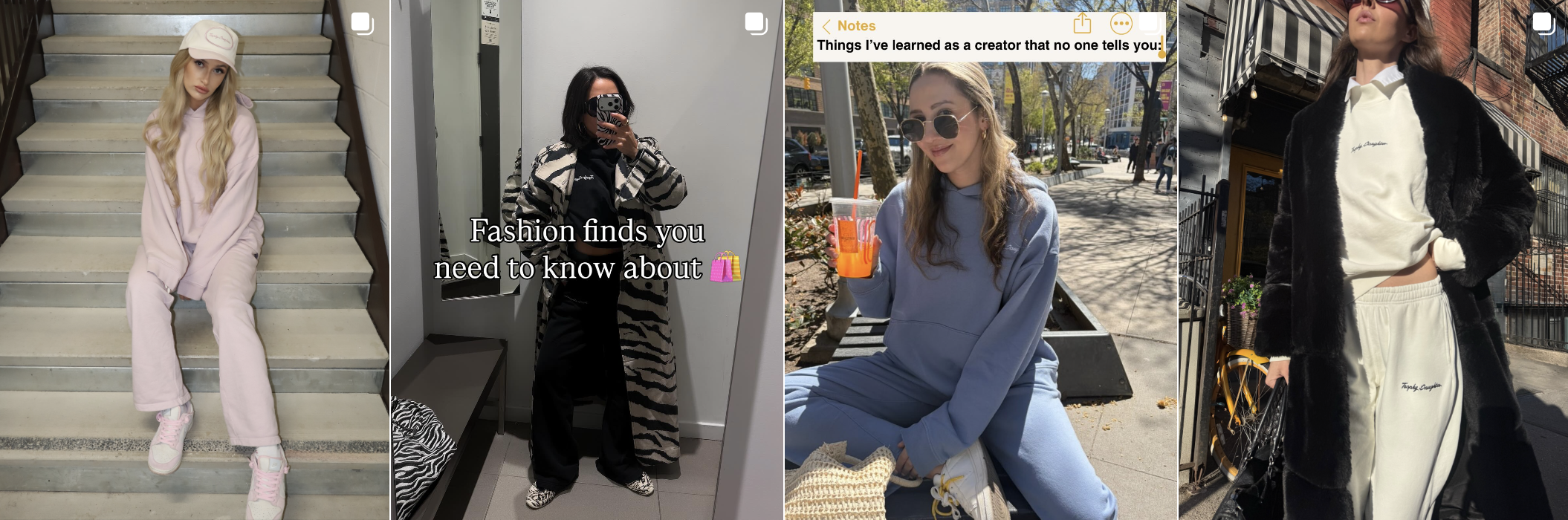
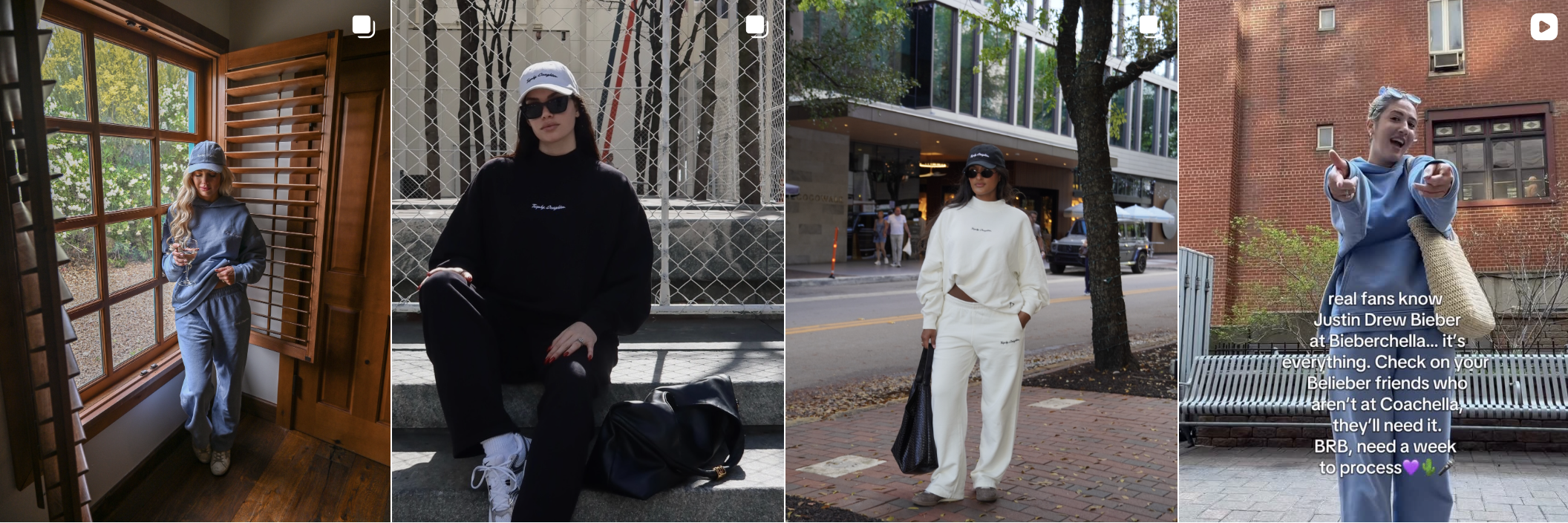

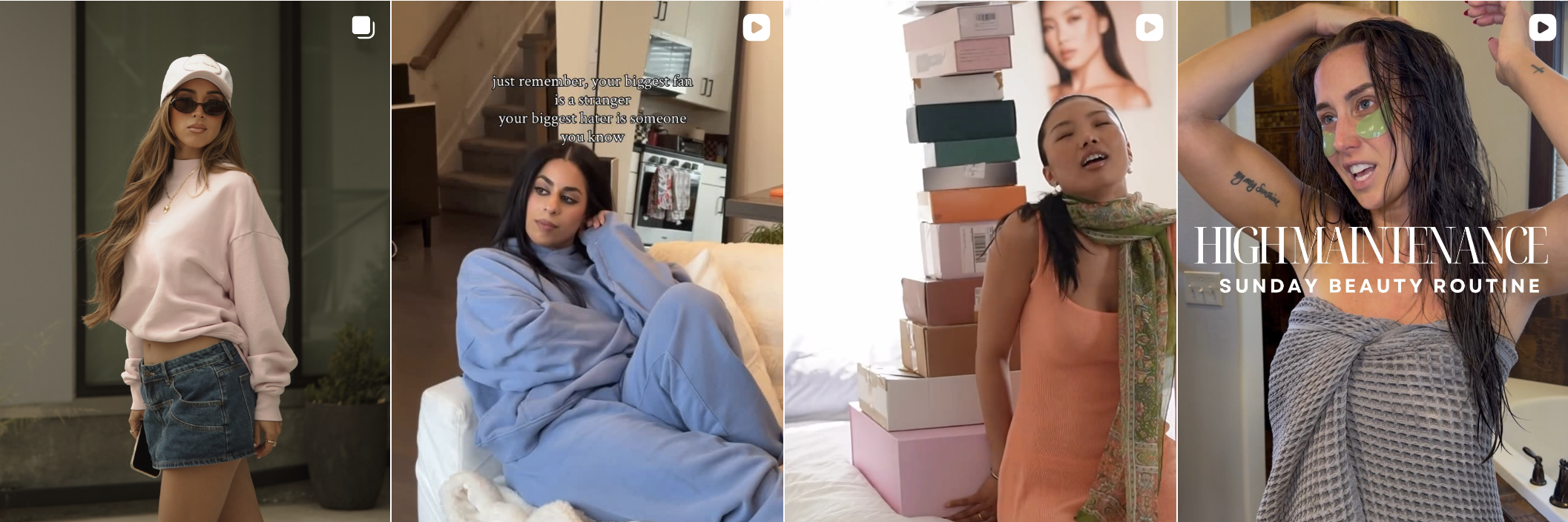
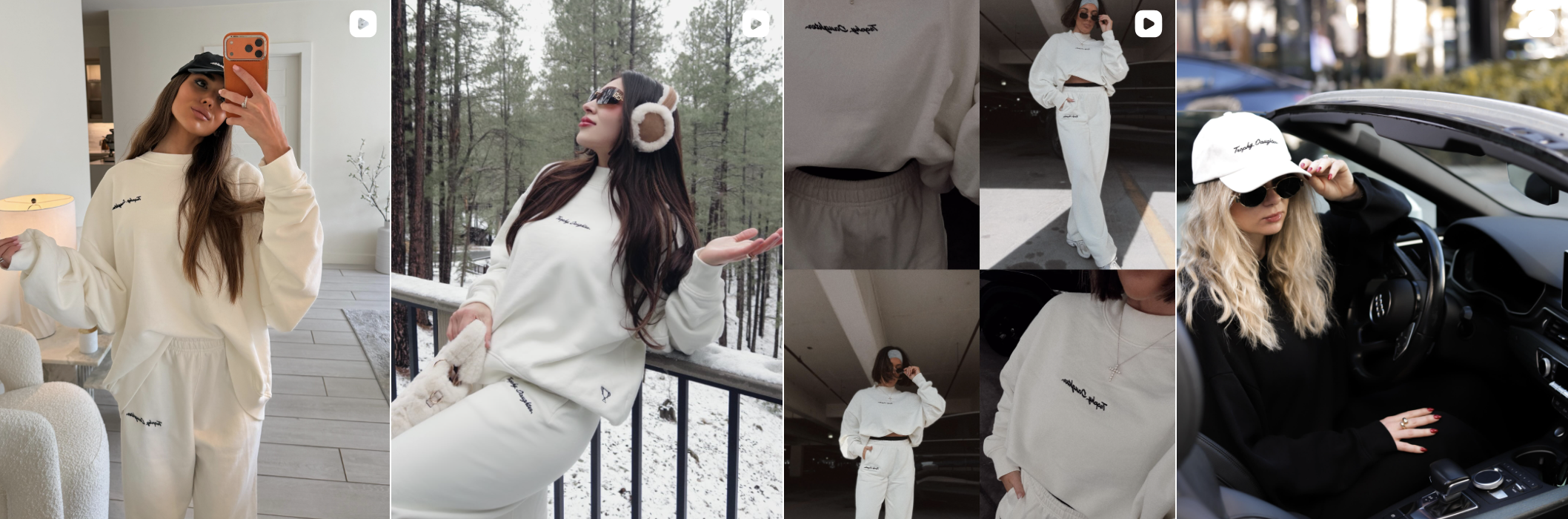
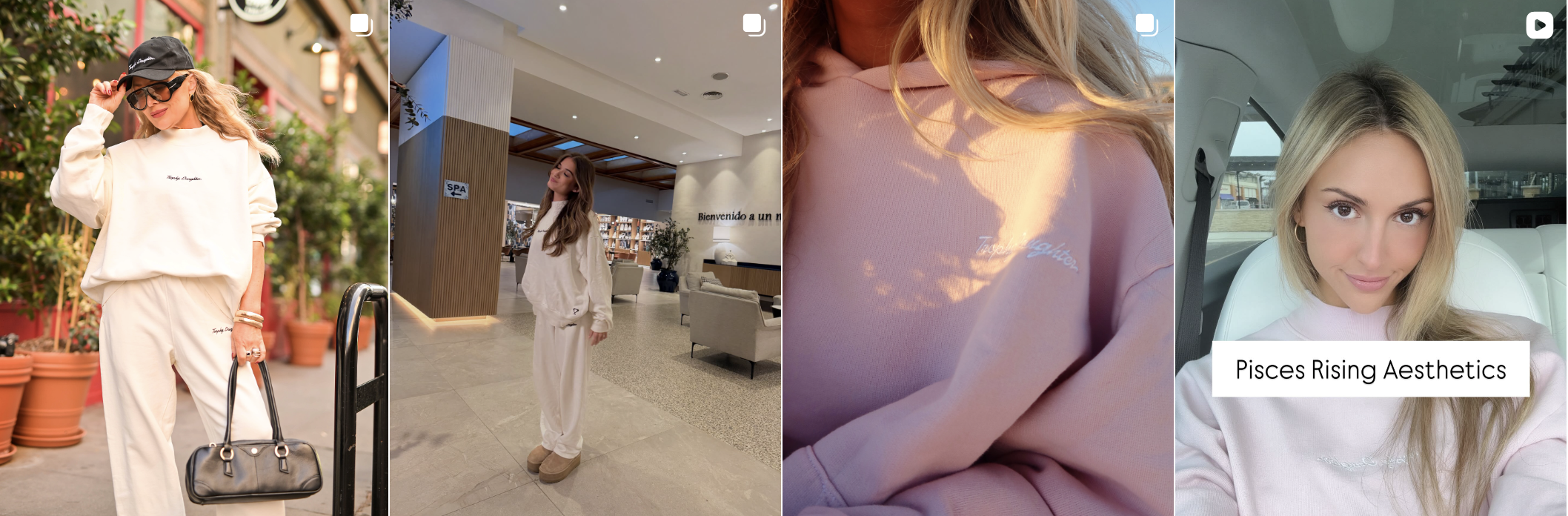
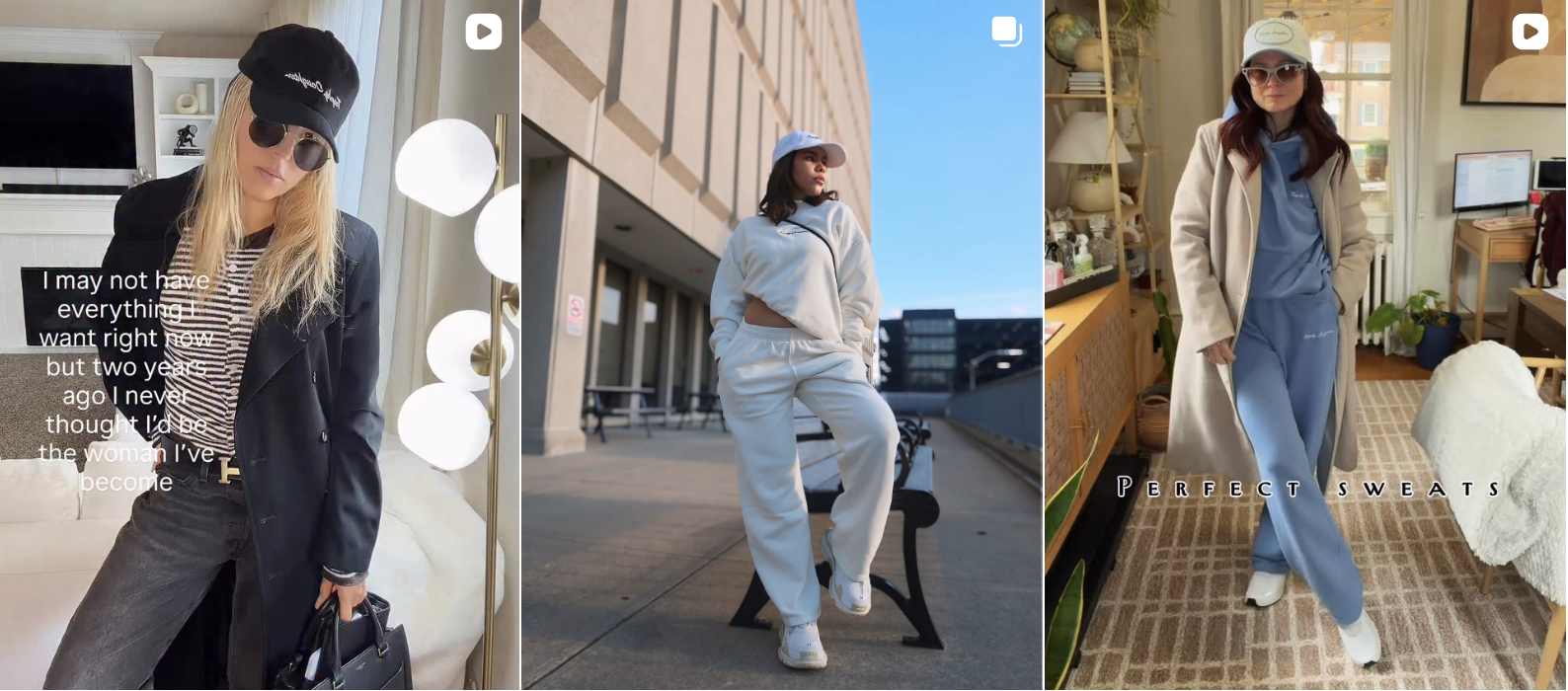
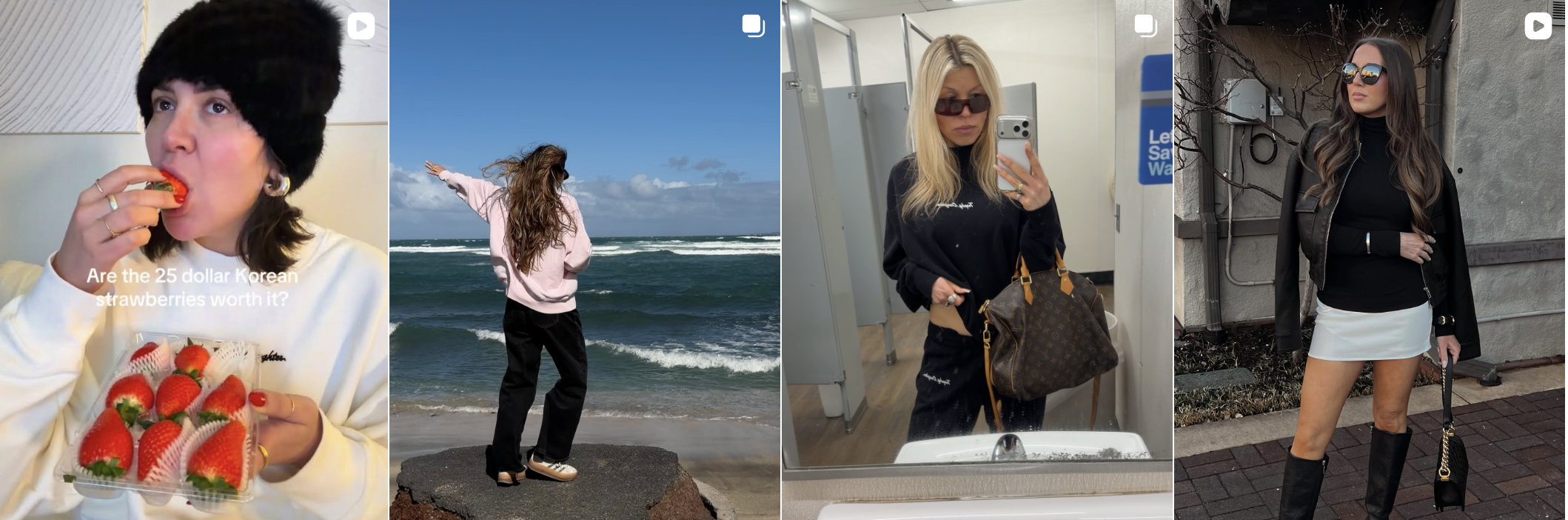
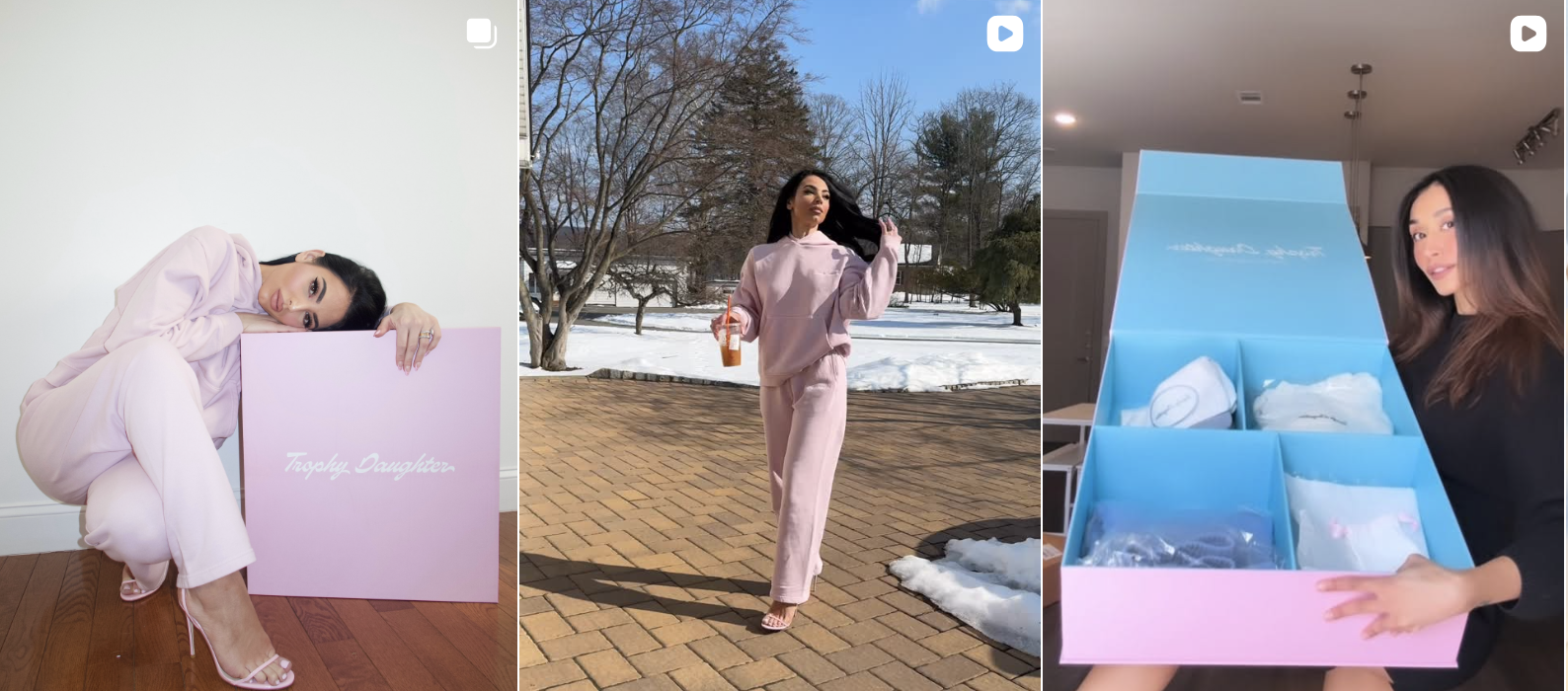
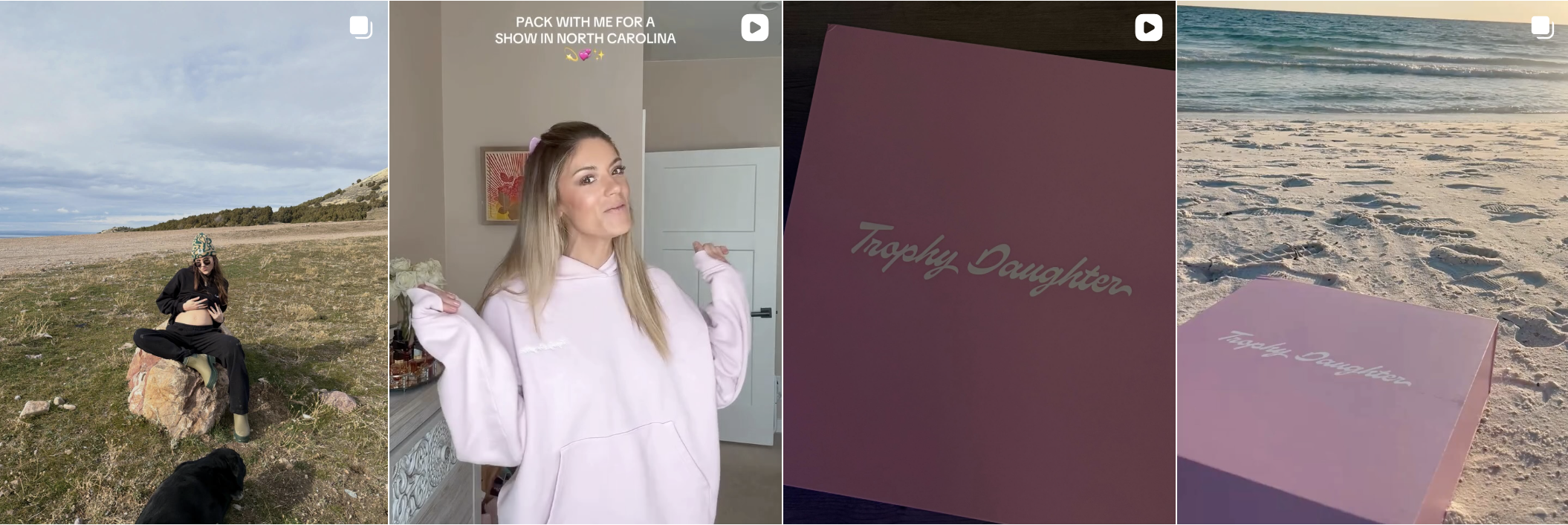
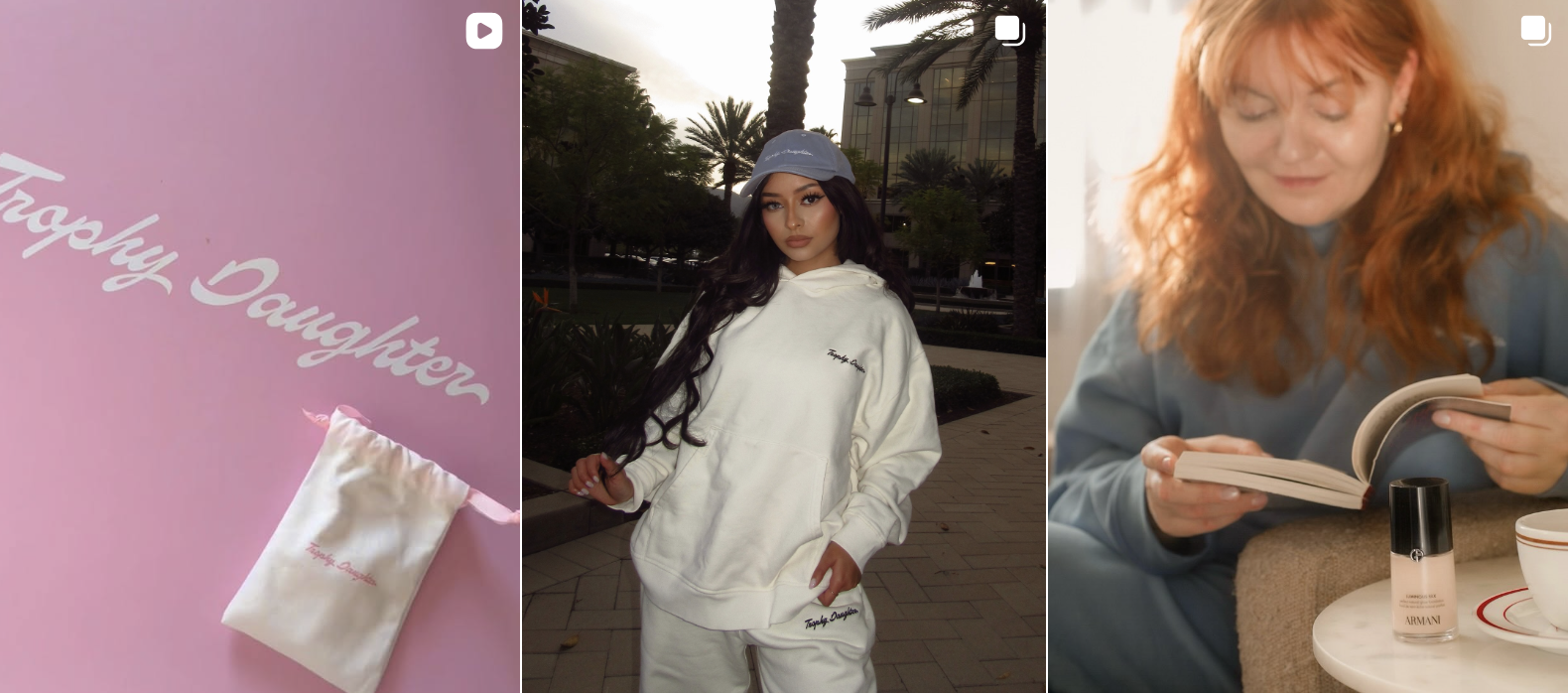
influencers posting for one brand.
This is what going viral looks like.
Your brand, everywhere at once. Let's make it happen.
Schedule a Personal Consultation →