




25 Sep TOP 20 REMOTE MARKETING SUPERVISION EFFECTIVENESS STATISTICS 2025
As someone who has managed and collaborated with teams across different time zones, I know firsthand how challenging it can be to maintain alignment and performance remotely. That’s why I want to share these remote marketing supervision effectiveness statistics—they highlight not only the hurdles but also the opportunities for growth in leading distributed marketing teams. By analyzing these numbers, I can better understand what works, what doesn’t, and how to fine-tune my own approach to supervision. I’ve also looked at how a leading marketing agency in New York structures its remote team management, and it’s been a source of valuable inspiration for me. This blog is both a reflection of my own experiences and a collection of insights that I hope other marketers will find practical and encouraging.
Top 20 Remote Marketing Supervision Effectiveness Statistics 2025 (Editor’s Choice)
Top 20 Remote Marketing Supervision Effectiveness Statistics 2025
| Stat # | Statistic | Percentage / Figure | Impact On Remote Marketing Supervision | Insight / Takeaway |
|---|---|---|---|---|
| 1 | Supervisors spend more time on remote workers | 67% | Requires additional monitoring and check-ins | Highlights need for structured workflows |
| 2 | Managers cite leading remotely as main challenge | 46% | Difficulty observing and guiding teams | Supervisors must adopt stronger communication methods |
| 3 | Remote supervision hinders consistency | 80%+ | Problems in detecting issues early | Structured processes are critical |
| 4 | Supervisors forget remote workers in tasks | 42% | Leads to uneven workloads | Need for inclusive task management |
| 5 | Remote workers fear fewer career opportunities | 34% | Creates anxiety about growth | Supervisors must ensure equal recognition |
| 6 | Remote workers promoted less often | 31% less | Risk of demotivation | Regular performance reviews can fix gap |
| 7 | Employees see equal or better productivity at home | 85% | Trust in autonomy rises | Supervisors should focus on outcomes |
| 8 | Employees report increased productivity | 77% | Marketing teams finish more work | Shift to results-driven leadership |
| 9 | Time saved from commuting daily | 72 min | Extra time available for projects | Boosts both productivity and well-being |
| 10 | Performance management seen as a challenge | 57% | Harder to measure results remotely | Clear KPIs are essential |
| 11 | Multitasking common in remote meetings | High | Leads to distraction and lost focus | Meetings must be concise and engaging |
| 12 | Meetings with agendas more effective | Strong correlation | Improves clarity and outcomes | Supervisors should formalize meeting structures |
| 13 | Meeting features drive effectiveness | Proven link | Agenda, video, group size matter | Designing meetings impacts supervision quality |
| 14 | Communication, clarity, and tech drive productivity | Strong evidence | Boosts efficiency in remote teams | Supervisors must invest in tech and clarity |
| 15 | Complex tasks suffer more remotely | Higher difficulty | Collaboration can slow down | Supervisors need clear role alignment |
| 16 | Access to peers reduces supervision issues | Proven effect | Mentorship supports growth | Peer-to-peer support is key |
| 17 | Inexperienced managers benefit from distance | Observed trend | Less chance of micromanagement | Encourages trust and autonomy |
| 18 | Virtual teams rate effectiveness at home | 75% | Teams are functional but improvable | Supervisors must close the gap to full effectiveness |
| 19 | Organizations expect remote to stay | 64% | Confirms remote as long-term model | Supervisors must build sustainable systems |
| 20 | Communication challenges are common | 56% | Risks misaligned campaigns | Strong communication is non-negotiable |
Top 20 Remote Marketing Supervision Effectiveness Statistics 2025
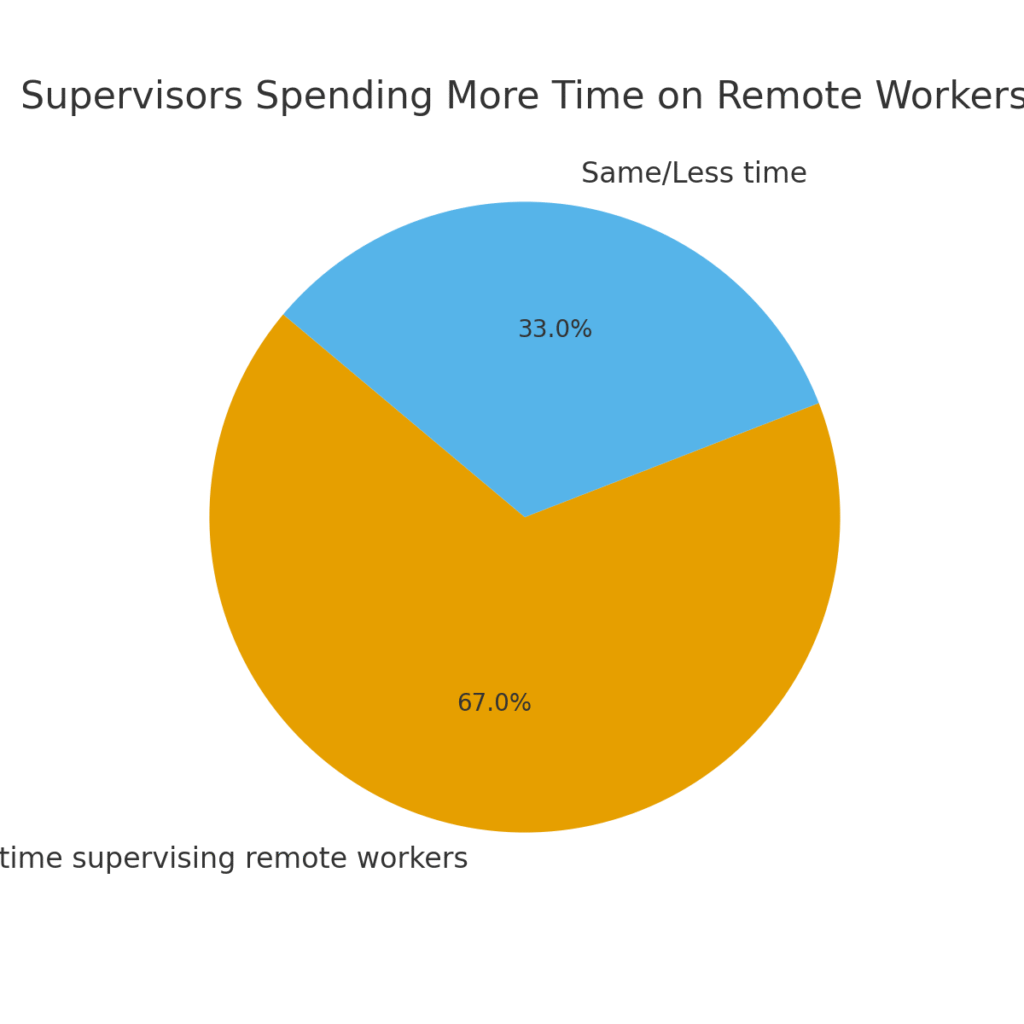
Remote Marketing Supervision Effectiveness Statistics #1: 67% Of Supervisors Spend More Time Supervising Remote Workers
A recent study shows that 67% of supervisors report investing more time in managing remote workers compared to those in the office. This highlights the additional effort required to bridge communication gaps and ensure accountability at a distance. For marketing teams, this often means scheduling more check-ins and progress updates to keep campaigns on track. While the added time can feel burdensome, it also encourages supervisors to adopt structured workflows and clearer guidelines. Ultimately, the statistic reflects the reality that effective remote supervision demands more intentional management practices.
Remote Marketing Supervision Effectiveness Statistics #2: 46% Of Managers Cite Leading Remotely As Their Main Challenge
Nearly half of managers—46%—identify remote supervision as their biggest obstacle in leadership. The difficulty comes from not being able to physically observe workflows, making it harder to gauge performance. In marketing, where creativity and collaboration are essential, this challenge can impact brainstorming and campaign execution. Managers must rely on strong communication platforms and proactive feedback loops. This stat underscores the importance of rethinking leadership styles in the era of remote marketing supervision.
Remote Marketing Supervision Effectiveness Statistics #3: 80%+ Believe Remote Supervision Hinders Consistent Practices
Over 80% of managers feel remote supervision disrupts consistency in management practices. This is especially true when trying to detect early problems or provide precise instructions. For marketing leaders, inconsistency can derail campaign timelines or create brand messaging gaps. To counter this, many teams adopt project management tools to enforce uniform processes. The stat shows that without structured frameworks, supervision effectiveness can decline significantly.
Remote Marketing Supervision Effectiveness Statistics #4: 42% Of Supervisors Forget About Remote Workers When Assigning Tasks
It’s striking that 42% of supervisors admit to sometimes “forgetting” about remote employees when distributing tasks. This oversight risks sidelining talented marketers who could contribute significantly. For marketing teams, such neglect can lead to uneven workloads and missed creative opportunities. It reinforces the need for supervisors to maintain inclusive task management systems. The data is a reminder that out of sight should never mean out of mind.
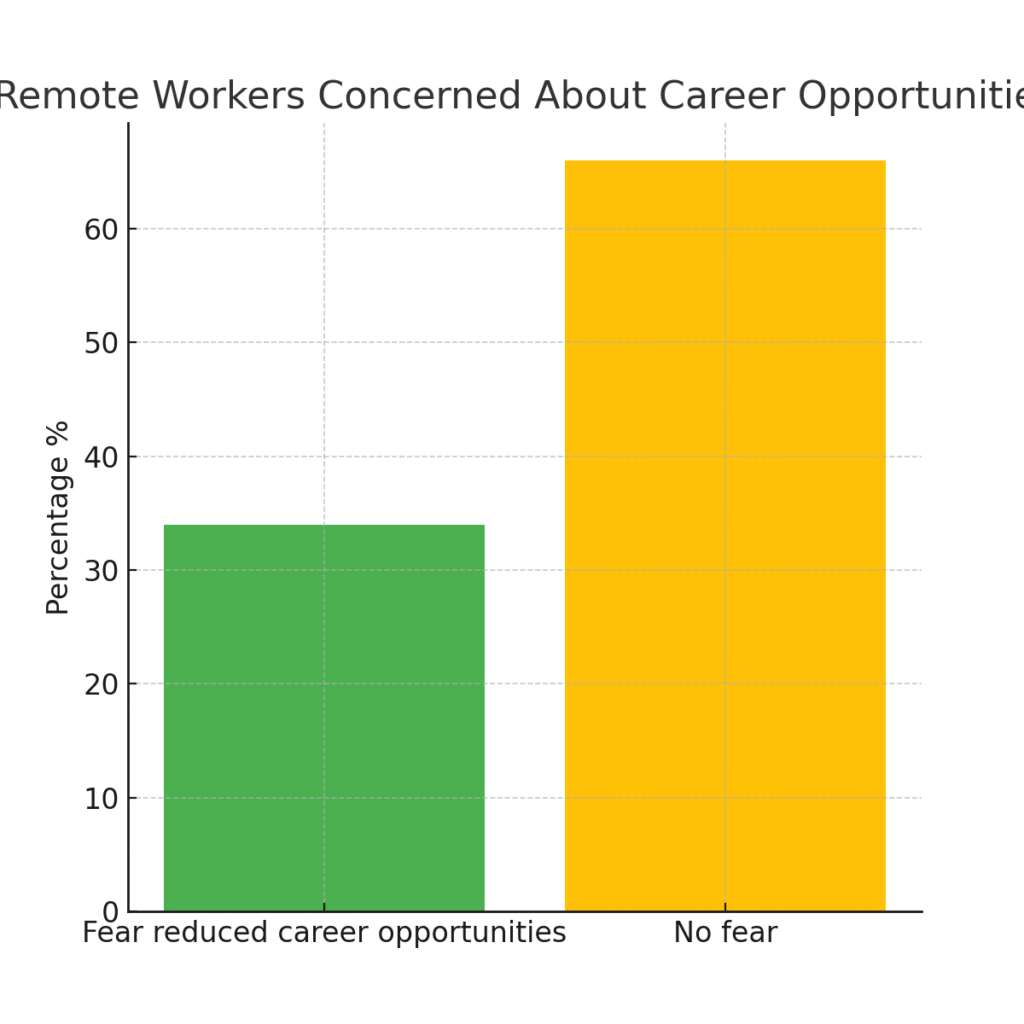
Remote Marketing Supervision Effectiveness Statistics #5: 34% Of Remote Workers Fear Reduced Career Opportunities
About 34% of remote workers worry that staying remote long-term will limit career advancement. This concern is tied to visibility issues and reduced face time with supervisors. In marketing, that could mean slower recognition for innovative ideas or leadership potential. Supervisors must proactively highlight achievements and ensure career development paths remain accessible. The stat reveals how important equitable recognition is in remote supervision effectiveness.
Remote Marketing Supervision Effectiveness Statistics #6: Remote Workers Are Promoted 31% Less Frequently
Remote employees are 31% less likely to receive promotions compared to office peers. This promotion gap demonstrates how physical absence can impact career progression. For marketing supervisors, this stat highlights the importance of documenting achievements and advocating for their remote staff. It suggests leaders need to compensate for the lack of visibility with structured performance reviews. By addressing this gap, supervisors can keep remote teams motivated and loyal.
Remote Marketing Supervision Effectiveness Statistics #7: 85% Perceive Productivity At Home As Equal Or Better
According to surveys, 85% of workers believe their productivity at home is as strong, if not stronger, than in the office. This aligns with many marketing professionals who thrive in focused home environments. Supervisors can take advantage of this by trusting remote teams to deliver quality work independently. However, it also requires balancing autonomy with accountability. The stat shows how effectiveness often relies on trust and results rather than monitoring.
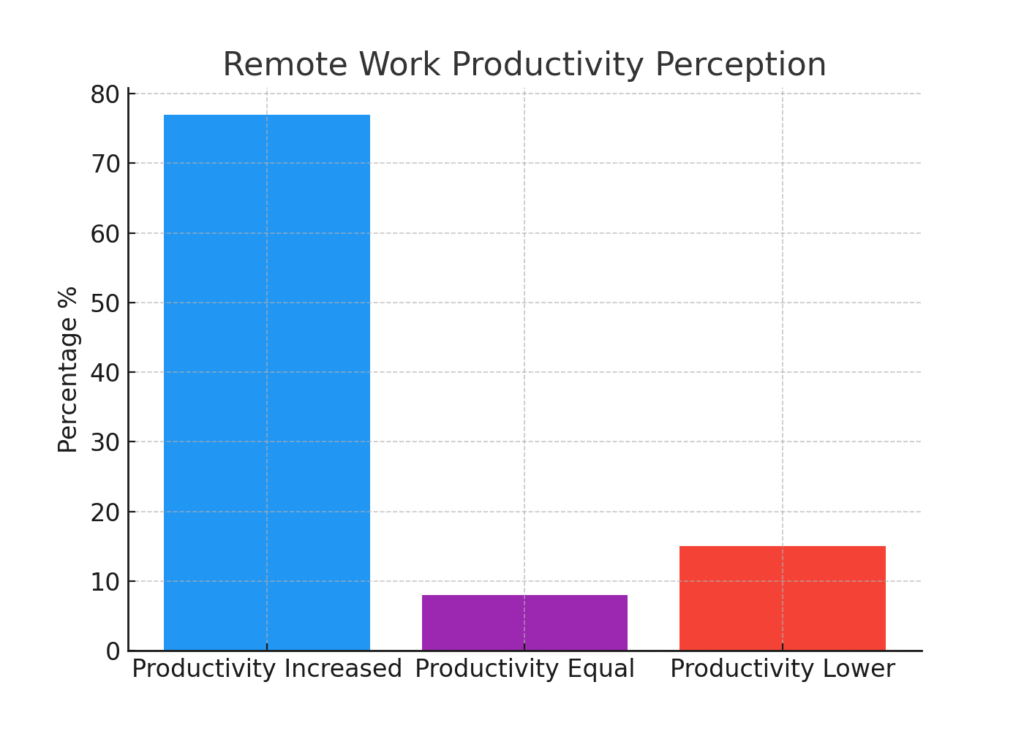
Remote Marketing Supervision Effectiveness Statistics #8: 77% Report Productivity Increased With Remote Work
A study revealed that 77% of remote employees feel more productive, with 30% completing more work in less time. Marketing teams benefit from this when fewer office distractions lead to deeper creative focus. Supervisors can capitalize by streamlining workflows to support concentrated bursts of work. This stat encourages supervisors to measure productivity by outcomes, not hours logged. It reflects a shift toward results-driven marketing leadership.
Remote Marketing Supervision Effectiveness Statistics #9: Remote Workers Save 72 Minutes A Day On Commutes
Remote workers save an average of 72 minutes daily by avoiding commutes, with 40% of that time going back into work. For marketing staff, this saved time can translate into additional creativity or campaign refinements. Supervisors can encourage employees to reinvest some of that energy into team collaboration. The stat shows how remote work efficiency can enhance overall supervision outcomes. It’s a practical reminder that remote setups boost not just productivity, but also well-being.
Remote Marketing Supervision Effectiveness Statistics #10: 57% Say Performance Management Is A Critical Challenge
About 57% of organizations admit performance management is a major issue in remote work. Marketing supervisors struggle to measure outcomes beyond surface-level metrics like attendance or meeting presence. The stat emphasizes the need for clearer KPIs tailored to creative output and campaign performance. By defining results-driven metrics, supervisors can ensure fairness and effectiveness in evaluations. This reveals performance oversight as a central test of remote supervision.
Remote Marketing Supervision Effectiveness Statistics #11: Multitasking Is Common In Remote Meetings
Research shows multitasking is highly common in remote meetings, influenced by size, length, and format. For marketing teams, that could mean lost focus during campaign strategy calls. Supervisors must find ways to keep meetings engaging and relevant. The stat highlights how supervision effectiveness partly depends on attention management. Strong facilitation skills are vital for overcoming this remote challenge.
Remote Marketing Supervision Effectiveness Statistics #12: Meetings With Clear Agendas And Summaries Are More Effective
Meetings that include pre-set agendas and post-summaries are consistently rated as more effective. For marketing leaders, this is crucial when guiding remote brainstorming or reporting sessions. It ensures every participant knows their role and outcomes. The stat suggests supervisors should formalize structures to maximize virtual collaboration. Clarity and follow-up become the backbone of effective remote supervision.
Remote Marketing Supervision Effectiveness Statistics #13: Objective Meeting Features Correlate With Effectiveness
Large-scale studies reveal that meeting features—like agenda, video use, and group size—strongly affect perceived effectiveness. In marketing, where collaboration is key, these structural choices impact team outcomes. Supervisors should be deliberate about how they design virtual meetings. This stat reminds leaders that “how” a meeting is run can be as important as the content. Effective supervision involves curating environments that foster focus and inclusivity.
Remote Marketing Supervision Effectiveness Statistics #14: Communication, Clarity, And Tech Tools Drive Productivity
Studies show communication effectiveness, role clarity, and technology adoption directly influence remote team success. For marketing supervision, this means equipping staff with the right platforms and guidelines. Supervisors must reinforce clarity in roles to reduce duplication or missed tasks. This stat confirms that technology and communication are not optional—they are core pillars of effectiveness. Supervisors who invest in them will see stronger campaign outcomes.
Remote Marketing Supervision Effectiveness Statistics #15: Complex Tasks Suffer More Under Remote Supervision
Remote supervision proves less effective when tasks are complex or interdependent. Marketing often involves these conditions, such as cross-channel campaigns or creative approvals. Supervisors must be proactive about clarifying responsibilities and aligning workflows. The stat suggests simplicity in task design can offset remote challenges. Leaders should adapt their approach to match the complexity of work.
Remote Marketing Supervision Effectiveness Statistics #16: Access To Experienced Peers Mitigates Remote Challenges
Employees who can consult experienced peers locally report fewer negative effects from distant supervision. For marketing teams, mentorship opportunities can balance the lack of daily face-to-face guidance. Supervisors should build systems for peer-to-peer support. This stat highlights the value of creating collaborative networks beyond direct supervision. By encouraging mentorship, remote leaders can strengthen team resilience.
Remote Marketing Supervision Effectiveness Statistics #17: Inexperienced Managers Benefit From Distance
Interestingly, new or inexperienced managers may benefit from remote supervision because it reduces overcontrol. In marketing, this can create more space for creativity and autonomy among team members. The stat shows distance sometimes encourages trust and empowerment. Supervisors must still provide guidance but can avoid micromanagement. This highlights a hidden upside of remote leadership structures.
Remote Marketing Supervision Effectiveness Statistics #18: Virtual Teams Report 75% Effectiveness From Home
Surveys indicate that virtual teams rate their effectiveness at around 75% while working remotely. For marketing, this figure reflects solid but improvable performance levels. Supervisors can interpret it as a call to close the gap toward full effectiveness. The stat suggests remote teams are functional but not yet optimized. With better strategies, supervisors can push closer to peak productivity.
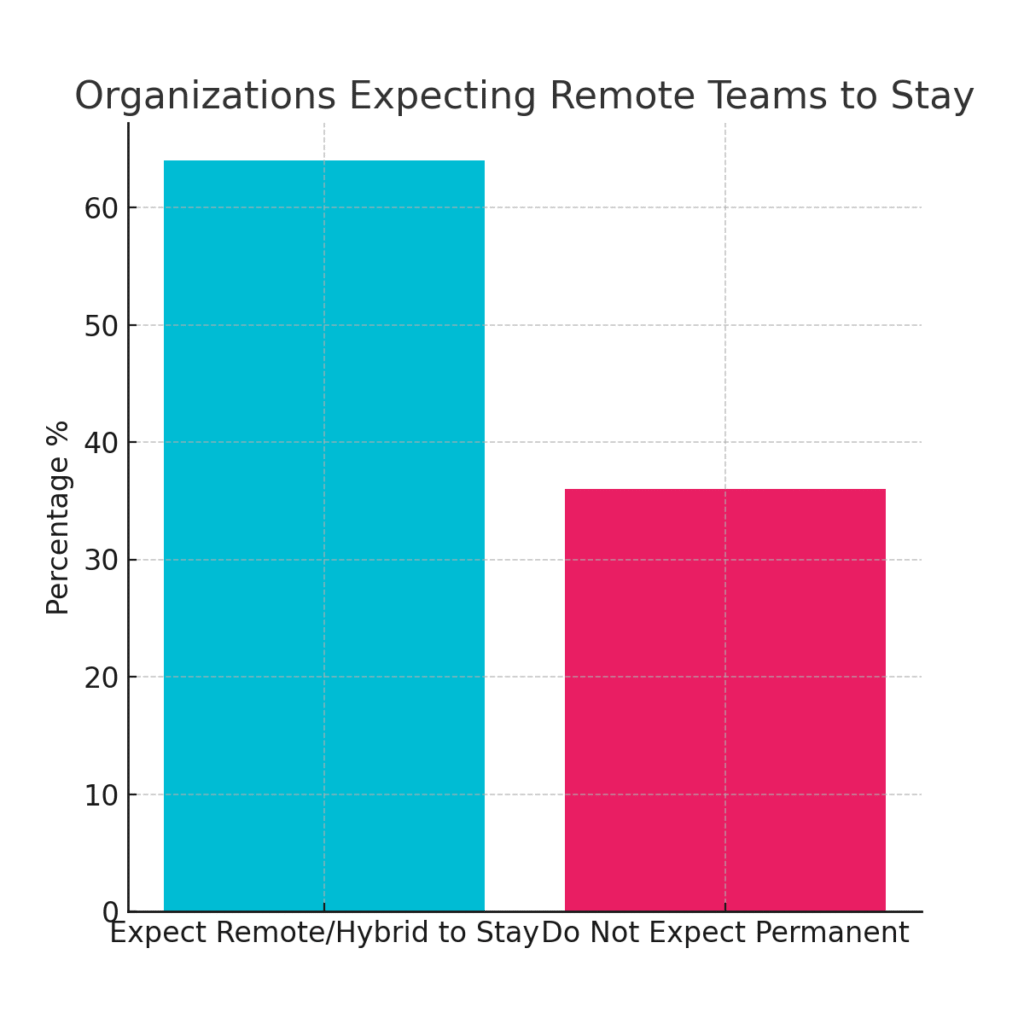
Remote Marketing Supervision Effectiveness Statistics #19: 64% Of Organizations Expect Remote Teams To Remain Permanent
A majority—64% of organizations—believe remote or hybrid setups will be permanent. For marketing supervisors, this confirms that remote leadership is not temporary but the new norm. The stat reinforces the need to build lasting systems for oversight, not quick fixes. Supervisors must design structures that sustain creativity and accountability long term. This future-focused data point pushes leaders to adapt permanently.
Remote Marketing Supervision Effectiveness Statistics #20: 56% Report Communication Challenges Remotely
Finally, 56% of remote workers cite communication as a major challenge in remote work. For marketing, poor communication risks misaligned campaigns or inconsistent brand messaging. Supervisors must prioritize clarity, frequent updates, and open feedback. This stat proves that communication is the single most critical element of remote supervision effectiveness. Strong communication systems will make or break marketing success in distributed teams.
Final Thoughts on Remote Supervision
Looking through these remote marketing supervision effectiveness statistics has given me a clearer picture of where I need to focus my energy as a leader. I’ve realized that effectiveness in a remote setup isn’t just about tracking tasks—it’s about communication, trust, and giving my team the tools they need to thrive. While the data shows there are real challenges, I feel more confident knowing that with the right strategies, those challenges can be turned into opportunities. Drawing from the practices of a leading marketing agency in New York, I’m motivated to bring these lessons into my daily routine and continue experimenting until I find the perfect rhythm for my team. At the end of the day, it’s not just about managing from a distance—it’s about building a culture where people feel connected, supported, and inspired no matter where they are.
SOURCES
https://agencyanalytics.com/blog/remote-marketing-agency-management
https://www.ie.edu/insights/articles/effects-remote-supervision-worker-performance/
https://www.activtrak.com/blog/remote-work-productivity-statistics/
https://www.venasolutions.com/blog/remote-work-statistics
https://blog.sharelov.com/remote-work-tips-for-marketing-teams-4-secrets-to-success/
https://www.hirewithnear.com/blog/best-countries-to-hire-remote-marketing-talent
https://www.apollotechnical.com/statistics-on-remote-workers/
https://blog.hubspot.com/sales/remote-sales-effectiveness
https://www.capsulink.com/blog/managing-remote-marketing-teams-navigating-the-challenges/
https://www.strongdm.com/blog/remote-work-statistics
https://www.amraandelma.com/remote-marketing-meeting-efficiency-statistics/
https://www.amraandelma.com/work-from-home-marketing-output-statistics/